
Mitsuro Hikime is one of those jewellery techniques that feels both ancient and completely new at the same time.
In this week’s episode of the Jewellers Academy podcast, Jessica Rose is joined by jeweller and tutor Lorna Romanengi to explore this beautiful, expressive and slightly unpredictable wax jewellery technique. Lorna shares the history of Mitsuro Hikime, why it is having such a resurgence among contemporary jewellers, and how it can be used to create organic, textured jewellery pieces that are completely unique.
If you love wax carving, lost wax casting, organic jewellery, Japanese craft techniques or simply want to explore a more intuitive way of making, this is a fascinating technique to discover.

Listen now
Listen to the full episode of the Jewellers Academy podcast to hear Jess and Lorna discuss the history, beauty and creative possibilities of Mitsuro Hikime, as well as Lorna’s own journey with this fascinating technique.
Whether you are completely new to wax jewellery or already experienced with lost wax casting, this episode will give you a fresh perspective on what is possible when you slow down, let go of perfection and allow the material to lead.
Explore the Mitsuro Hikime course and start creating your own organic wax jewellery designs.
What is Mitsuro Hikime?
Mitsuro Hikime is an ancient Japanese wax jewellery technique.
The word Mitsuro refers to the honey wax itself, which is traditionally made using ingredients such as beeswax, pine resin and paraffin. Hikime refers to the process of pulling lines or textures through the wax.
Together, Mitsuro Hikime describes both the material and the working technique used to create the distinctive natural striations that make this style so recognisable.
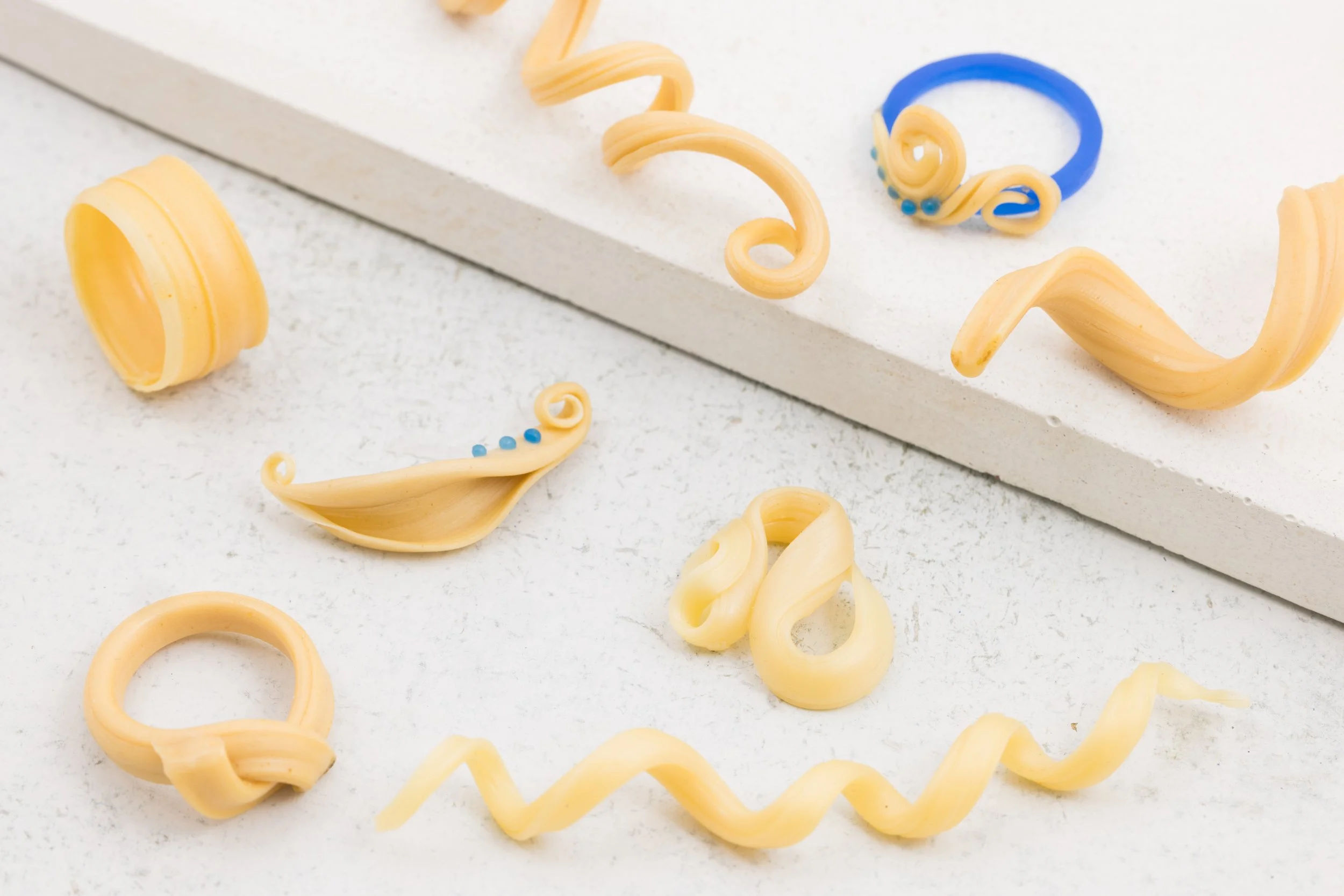
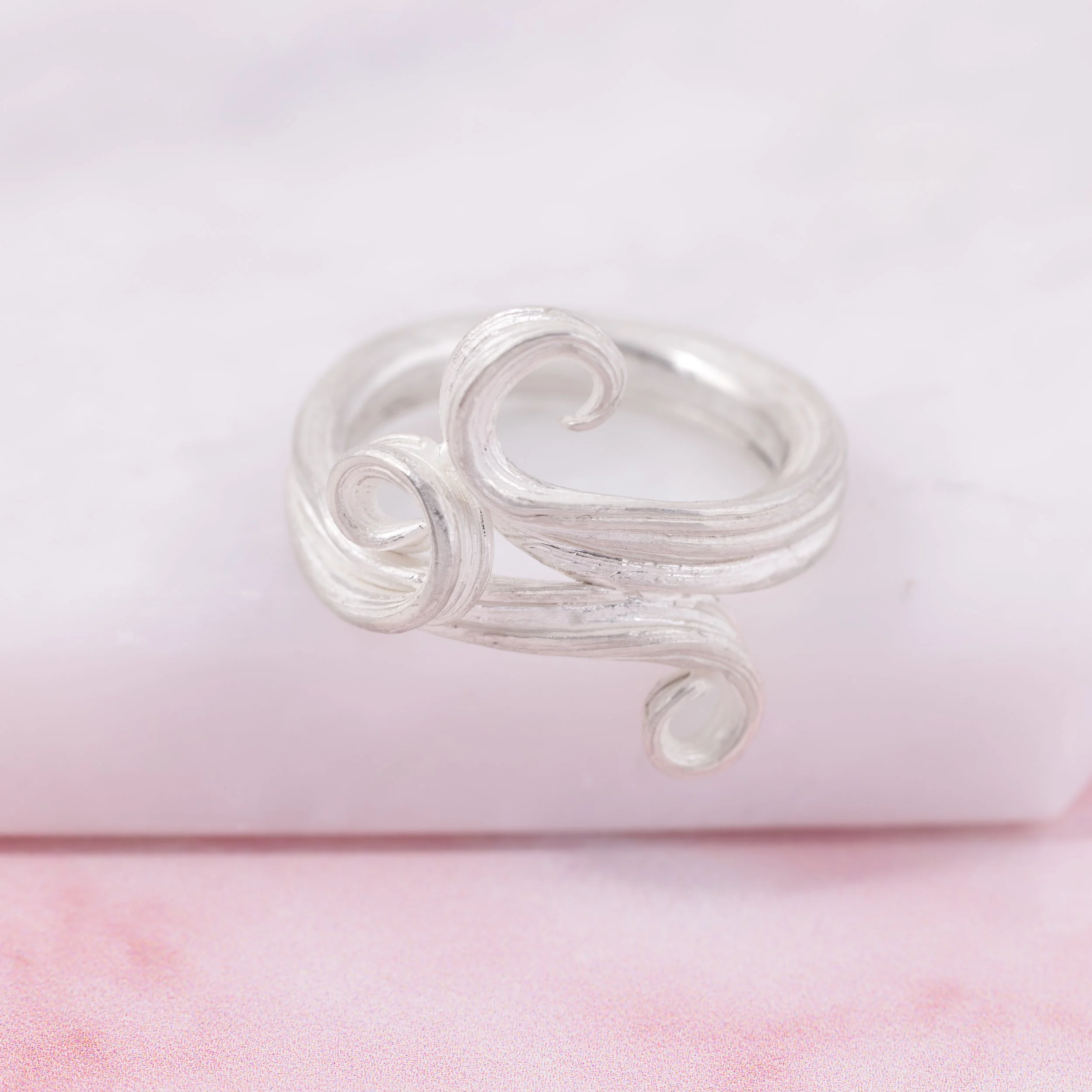
Unlike hard wax carving, where you often cut, file and refine a block of wax into a precise shape, Mitsuro Hikime is worked by warming, pulling, folding and shaping the wax. This creates flowing lines and organic textures that can resemble natural forms such as bark, petals, leaves, ribbons or ripples. Each piece is completely unique.
Why is Mitsuro Hikime so popular with jewellers right now?
Although Mitsuro Hikime is an ancient technique, many jewellers outside Japan are only just discovering it.
Lorna explains that part of its appeal is that it feels new to many contemporary makers, even though it has a long history. For jewellers who are used to precision, measuring and control, Mitsuro Hikime offers a very different way of working. It asks you to slow down, respond to the material and let the wax guide part of the process. That can feel incredibly freeing.
Instead of planning every detail from the beginning, you work with the forms and textures as they emerge. You might start with a pulled strip or wire of wax, then respond to the lines, curves, folds and shapes that appear.
For many makers, this becomes a more instinctive and meditative process.
What is Mitsuro wax made from?
Mitsuro wax is made from simple, accessible ingredients, including:
beeswax
pine resin
paraffin
The ingredients themselves may be simple, but the process of making the wax requires care because each material has a different melting point.
Lorna recommends learning to make the wax yourself because it helps you understand the material more deeply. Each batch can behave slightly differently, and that relationship with the wax becomes part of the making process.
The finished wax is soft and malleable when warm, but brittle when cold. That means temperature, body heat and handling all matter.
In fact, part of learning Mitsuro Hikime is learning how your own hands interact with the wax. If your hands run cold, you may need to warm the wax more carefully. If your hands run hot, you may need to work in a way that prevents the wax becoming too soft.
It is a technique where the maker really becomes part of the process.
How does the Mitsuro Hikime technique work?
At its simplest, Mitsuro Hikime involves warming the wax and then pulling and folding it to create fine lines and striations.
Lorna compares the movement to pulling toffee. The wax is stretched, folded and worked until beautiful organic lines begin to appear.
But while the movement may sound simple, the technique takes practice. Small details make a big difference, including:
the temperature of the wax
the temperature of your hands
how quickly you pull
where you apply pressure
how firmly you handle the wax
when to stop working the material
Press too hard and you may leave fingerprints. Pull too far and the wax may snap. Work too quickly and you may miss the moment where the texture is at its best.
This is part of what makes the technique so fascinating. It is not about forcing the material to obey. It is about learning to work with it.
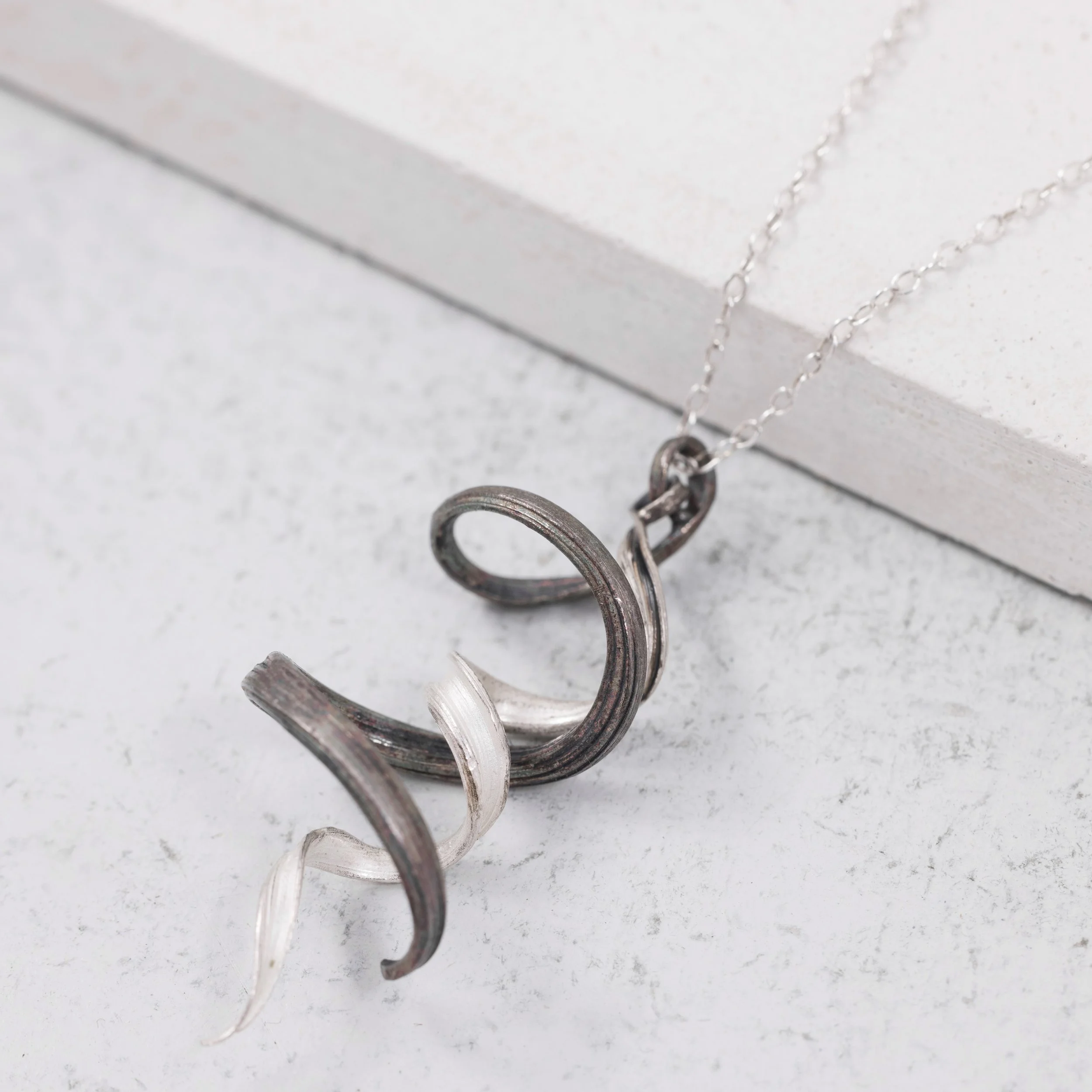
What can you make with Mitsuro Hikime?
Mitsuro Hikime can be used to create many types of wax jewellery designs, including:
rings
pendants
earrings
bracelet elements
sculptural jewellery details
textured components to combine with other techniques
In the course, Lorna begins by teaching students to create basic pulled forms such as wax wires and strips. These can then be transformed into jewellery designs.
Rings are a particularly useful starting point because they allow students to explore joining, shaping, sizing and structure. From there, the technique can be adapted into more freeform designs such as pendants, earrings and decorative elements.
Mitsuro Hikime is especially beautiful when used for swoops, twirls, folds and flowing organic shapes. Bending and curving the wax can make the striations even more visible, creating movement and depth in the final cast piece.
Can Mitsuro Hikime be combined with other wax techniques?
Yes, and this is one of the most exciting possibilities.
Lorna loves exploring how Mitsuro Hikime can be combined with more familiar wax carving techniques, such as working with traditional blue or green carving wax.
This allows jewellers to use Mitsuro Hikime as a feature within a design rather than the whole piece. For example, you might combine an organic Mitsuro texture with a more structured wax carved element.
This can be especially useful if you want greater control over certain areas of the design, or if you want to prepare part of the piece for stone setting later.
It opens up a beautiful conversation between ancient and contemporary jewellery techniques.
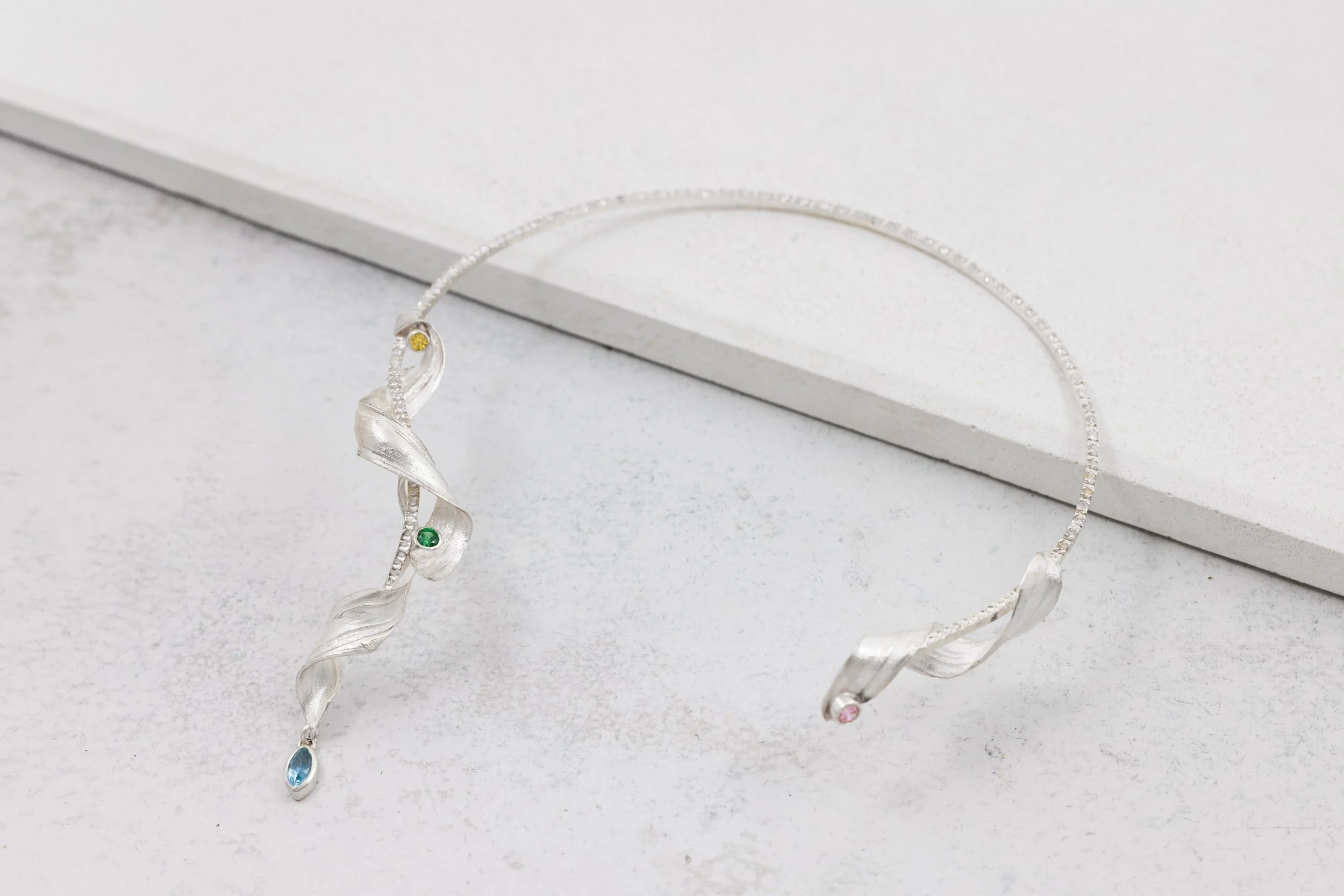
Can you add stones to Mitsuro Hikime jewellery?
You can design Mitsuro Hikime jewellery with stones in mind, but stone setting is usually something that happens after casting.
Because Mitsuro wax is either soft and malleable or cold and brittle, it is not suitable for drilling, burring or preparing stone seats in the same way as traditional carving wax. It is also not ideal for cast-in-place stone setting.
However, once your piece has been cast into metal, you can treat it like any other metal jewellery piece. You may be able to solder onto it, add settings, refine the shape or incorporate stones as part of the next stage of the design.
This is one of the key mindset shifts Lorna talks about in the episode. Casting is not necessarily the end of the process. It can be the beginning of the next stage.
What happens after casting Mitsuro Hikime jewellery?
Once your wax piece has been cast into metal, there is still plenty of work to do.
The finishing stage is essential, especially with a textured piece. You may need to clean up casting marks, refine the surface, protect the striations and bring out the natural beauty of the design.
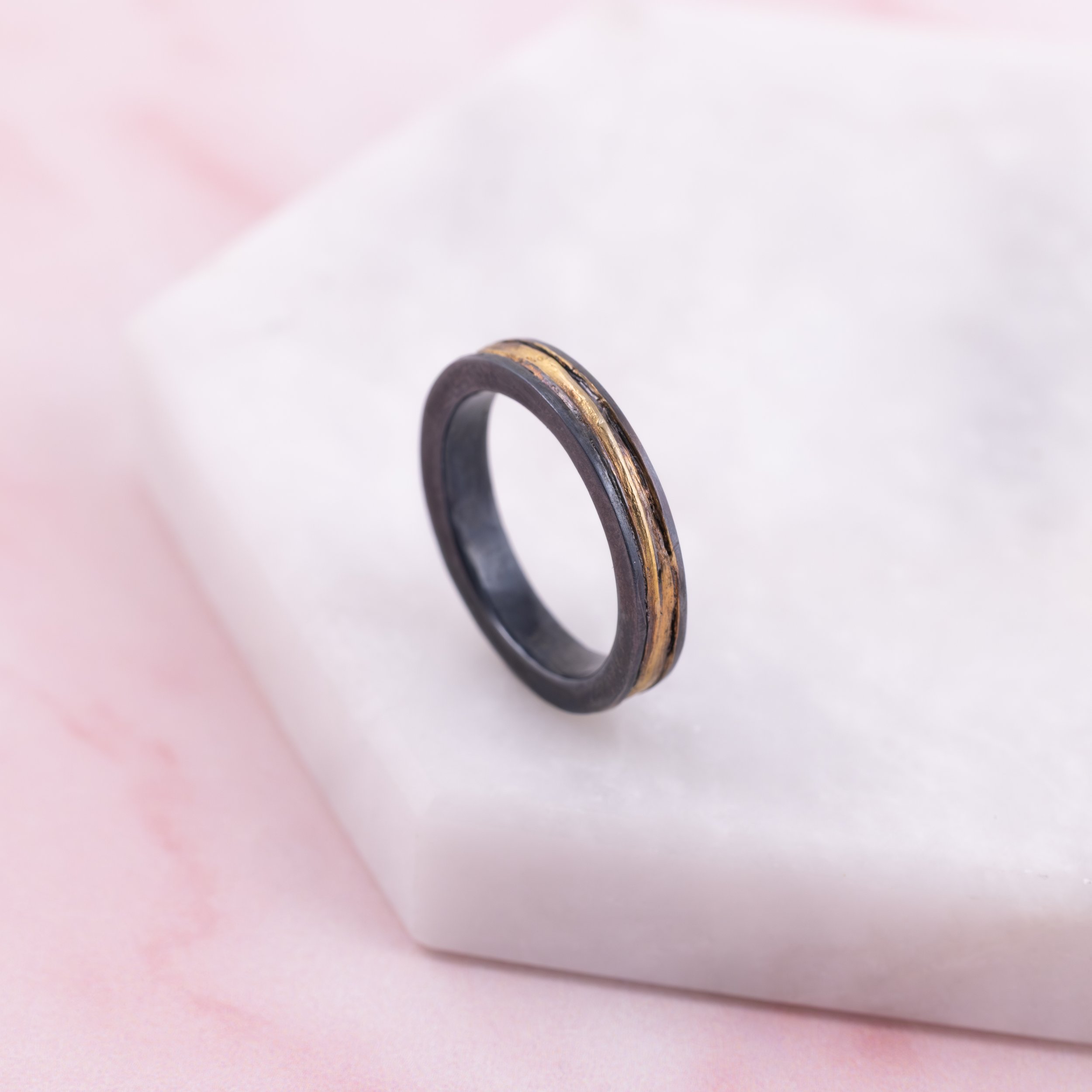
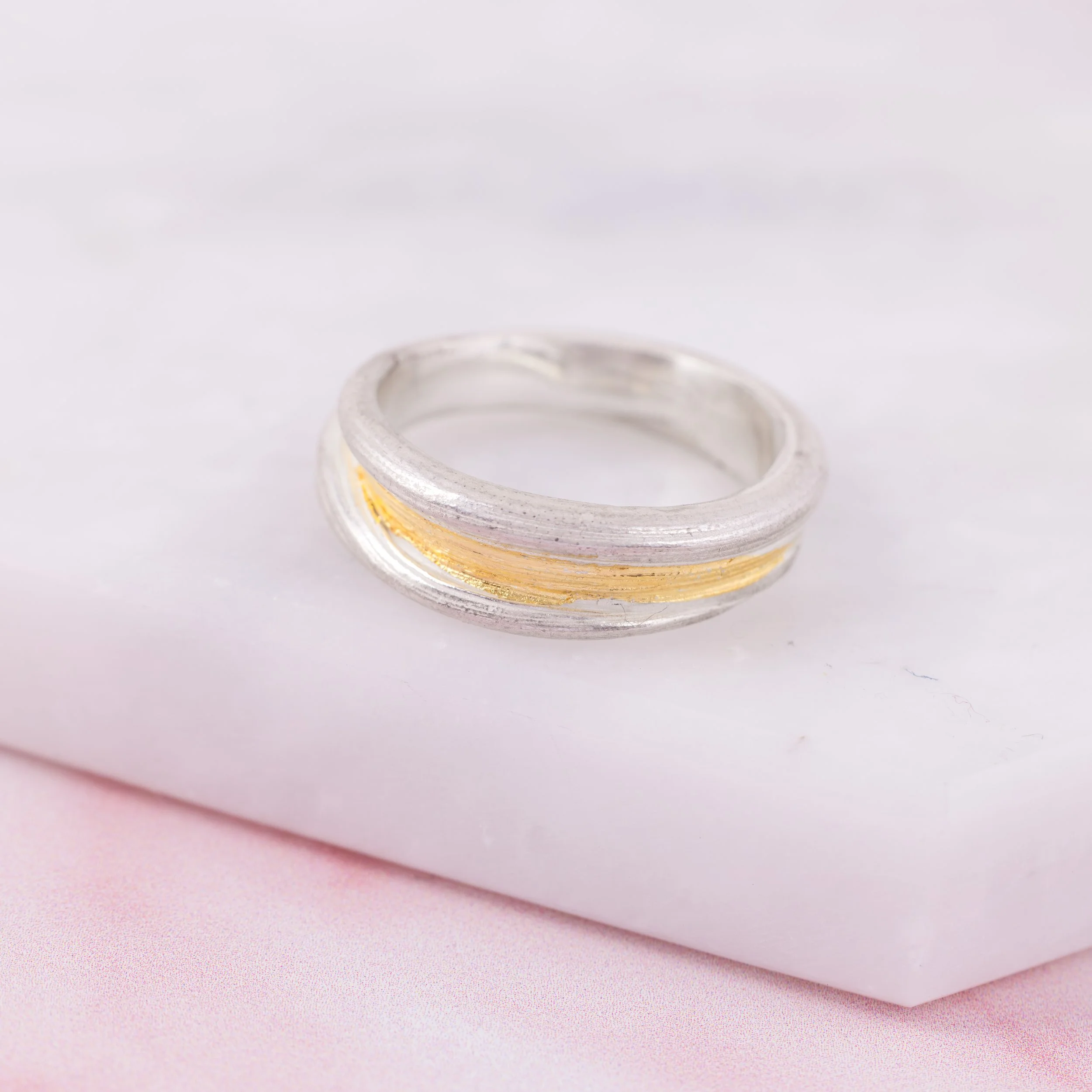
In the course, Lorna covers what happens after casting, including cleaning up, finishing and polishing. She also explores ways to enhance the texture using techniques such as keum boo and patinas.
Keum boo can add beautiful touches of gold to the surface, while patinas can deepen the contrast and make the striations more visible.
These finishing choices can completely change the mood and impact of the final piece.
Why Mitsuro Hikime is such a special technique
One of the most powerful things about Mitsuro Hikime is that it invites jewellers to work differently.
It is not a technique you can rush. It asks for patience, curiosity and a willingness to let go of some control.
For makers who are used to precision, that can feel challenging at first. But it can also be incredibly rewarding.
The wax responds to your hands, your pace, your temperature and your decisions. Two people can learn the same technique and create completely different results. Even if you repeat the same design idea, the wax will never behave in exactly the same way twice.
That makes every piece truly one of a kind.
In a world where customers are increasingly looking for meaningful, handmade and individual jewellery, Mitsuro Hikime offers jewellers a beautiful way to create work with natural texture, movement and personality.

Learn Mitsuro Hikime with Jewellers Academy
Lorna has created a full Mitsuro Hikime online course with Jewellers Academy, guiding you through the process from making your own wax to creating jewellery designs, preparing your work for casting, and finishing your final metal pieces.
The course covers:
what Mitsuro Hikime is
how to make your own Mitsuro wax
how to warm, pull and fold the wax
how to create wires, strips and organic forms
how to design rings and freeform jewellery pieces
how to combine Mitsuro with traditional wax techniques
how to prepare your work for casting
how to clean up and finish your cast jewellery
how to enhance your pieces with keum boo and patinas
The course is available as a standalone programme and is also included within the Diploma in Wax Jewellery.
If you are curious about wax jewellery, organic textures or ancient techniques that can be used in contemporary ways, this is a wonderful technique to explore.