
The Advantages of Working in Wax as a Fine Jeweller with Jane Taylor (Podcast episode)
In this episode of the Jewellers Academy Podcast, Jess is joined by fine jeweller and tutor Jane Taylor to explore the advantages of working in wax. Jane shares how wax carving has played a key role in her 25-year jewellery career and why it remains an essential skill for fine jewellers. They discuss how wax allows jewellers to create sculptural designs, work with unique gemstones and develop a deeper understanding of stone setting. The conversation also highlights how wax models can help communicate bespoke designs to clients. If you want to expand your jewellery making skills and creative possibilities, this episode is full of inspiration.
Listen now on:
Wax carving is one of the most exciting and versatile jewellery making techniques. In this episode of the Jewellers Academy Podcast, Jess speaks with fine jeweller and tutor Jane Taylor about why working in wax can be such a valuable skill for fine jewellers.
Jane has been running her own jewellery business for nearly 25 years and teaches across several Jewellers Academy diploma programmes. In this conversation, she shares how wax carving has played an important role throughout her jewellery journey and why it continues to be an essential part of her creative and technical toolkit.
Why Wax Is a Powerful Tool for Fine Jewellers
While wax is often introduced to beginners as a fun and accessible material, Jane explains that it is also incredibly valuable for experienced jewellers.
Wax carving allows jewellers to work in a truly three-dimensional way. Instead of starting with flat sheet metal, wax enables you to carve directly into form and shape, opening up possibilities for more sculptural and complex designs.
For fine jewellers, this can be particularly useful when working with larger stones, unusual shapes or more intricate settings. Wax can also reduce metal waste and make certain designs much easier to achieve than they would be with traditional fabrication techniques.
Creating Shaped Signet Rings in Wax
One of the projects Jane teaches in the Wax Diploma is a shaped signet ring.
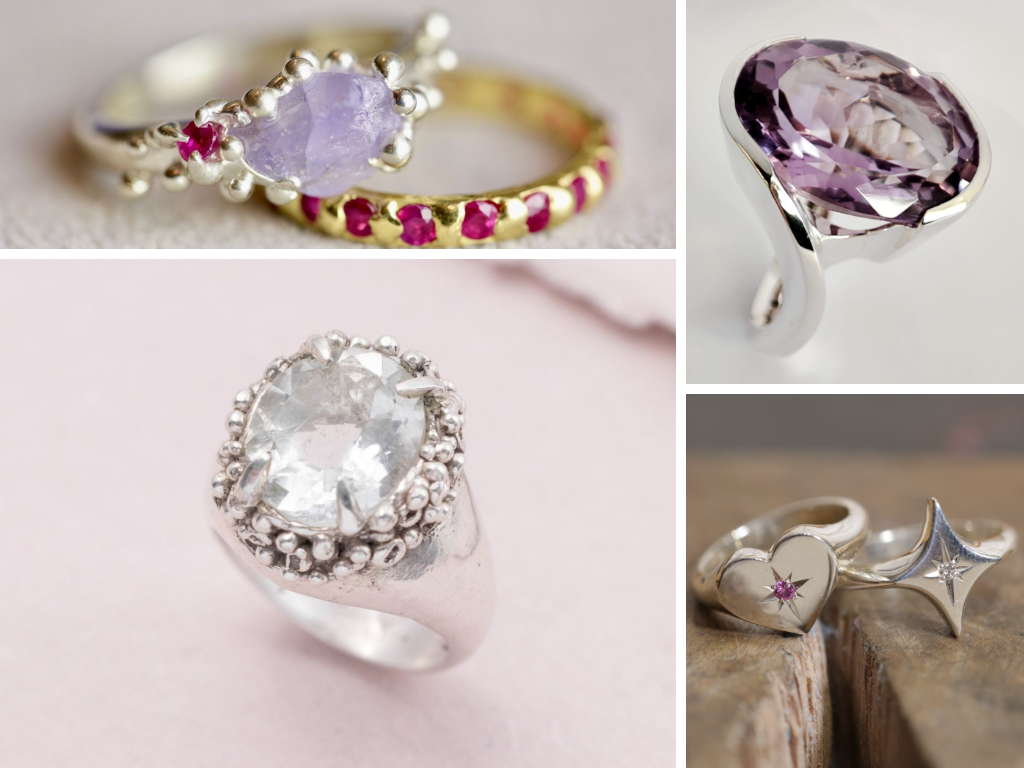
Signet rings are naturally three-dimensional pieces, and carving them in wax allows jewellers to build depth and shape more easily. Students begin with classic forms before moving on to more creative shapes such as hearts or stars.
By working in wax, jewellers can explore symmetry, structure and stone setting while developing their carving precision.
Claw Setting in Wax: Developing Technical Skills
Another project focuses on creating claw settings in wax.
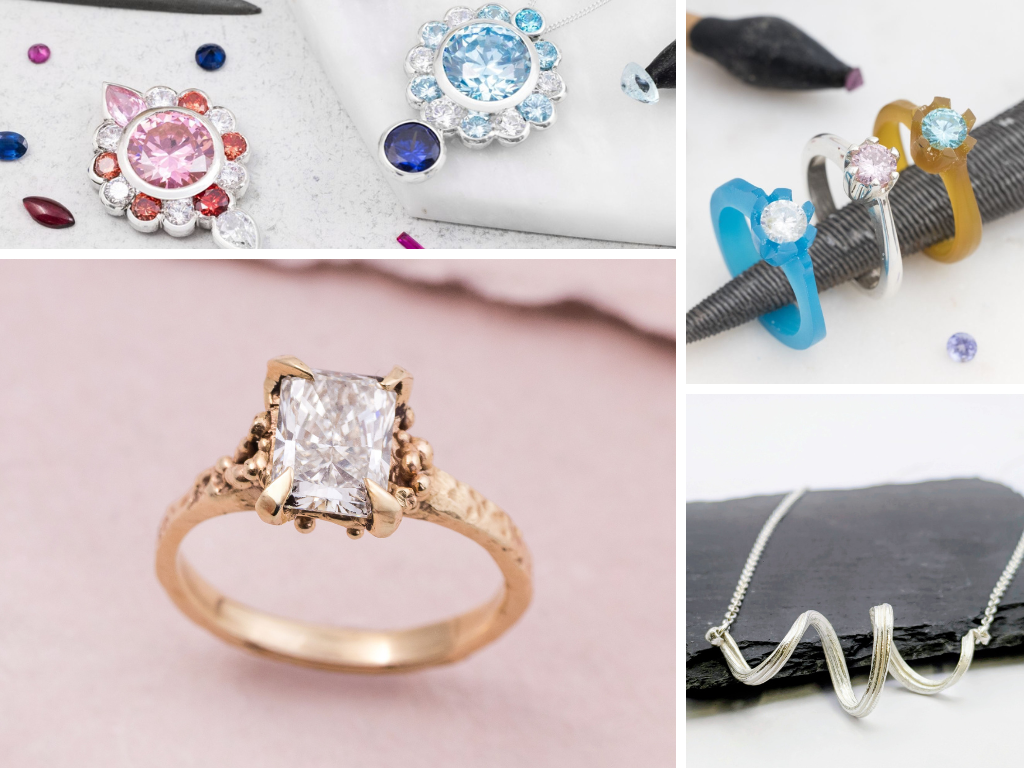
Although claw settings are often fabricated in metal, carving them in wax offers an excellent way to understand the structure of the setting and how stones fit into place.
Students learn how to seat the stone within the wax model and prepare the piece for casting. This process helps build a deeper understanding of stone setting, which is valuable even if jewellers later choose to outsource some stages of production.
Designing Statement Cocktail Rings Around Unique Stones
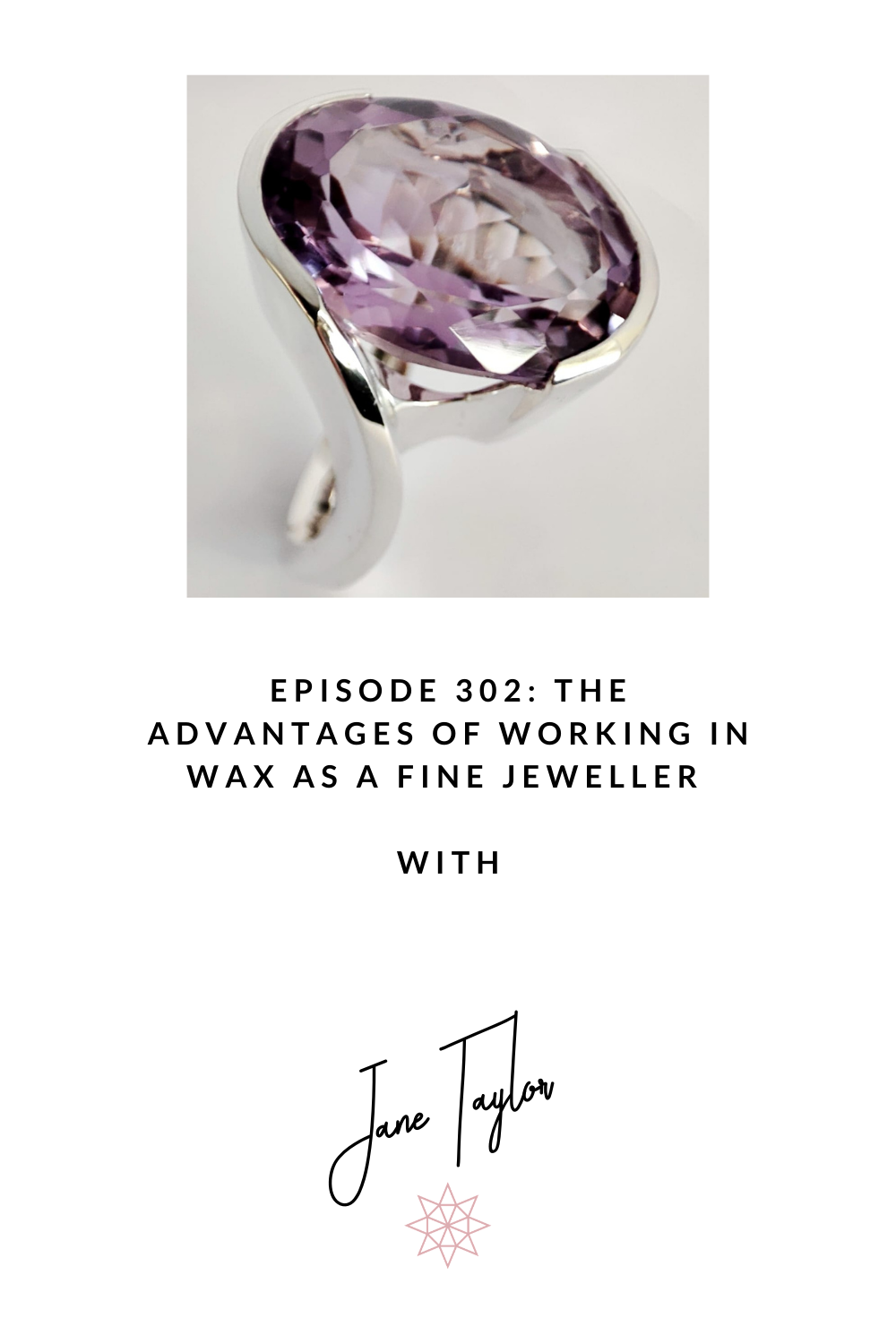
Jane also teaches a striking cocktail ring project built around a large oval gemstone.
Wax is particularly suited to this type of design because it allows jewellers to carve the ring specifically around the stone. This is especially helpful when working with non-calibrated gemstones that do not fit standard settings.
By carving the design in wax first, jewellers can accurately judge the scale, weight and proportions of the finished piece before casting it in metal.
Grain Setting and Organic Stone Clusters
Another exciting project introduces grain setting in wax combined with an organic cluster of stones.
Students learn how to arrange different stones in a natural layout and carve the wax to seat them securely. This technique allows for colourful, textured designs that can feel both contemporary and personal.
Pieces like these can also lend themselves well to meaningful commissions, such as rings incorporating family birthstones.
Using Wax Models for Bespoke Jewellery Commissions
One of the biggest advantages of wax carving for professional jewellers is its usefulness in the bespoke design process.
Jane often creates wax models for clients so they can see and try on a three-dimensional version of the design before it is cast. This helps clients better understand scale, shape and proportions, which can be difficult to communicate through sketches alone.
Wax models also allow jewellers to make adjustments quickly and provide more accurate quotes, especially when working with precious metals like gold.
How Wax Encourages Creativity and Experimentation
Wax carving encourages a more experimental approach to jewellery design.
Because the material is inexpensive and easy to manipulate, jewellers can explore ideas freely without worrying about wasting precious metal. This makes wax an ideal medium for prototyping designs or testing new creative directions.
For many jewellers, working in wax unlocks new levels of creativity that might not emerge through traditional fabrication alone.
The Mindful and Therapeutic Side of Wax Carving
Beyond the technical advantages, Jane also highlights the joy of working with wax.
Carving wax can be incredibly calming and immersive. Many jewellers find that the process helps them focus fully on the task at hand, making it both mindful and therapeutic.
There is also a huge sense of satisfaction in transforming a simple block of wax into a finished, polished and stone-set piece of jewellery.
Passing on Wax Skills to the Next Generation of Jewellers
As a tutor and mentor, one of Jane’s greatest joys is watching students discover what they can achieve with wax.
Often, students are surprised by the complexity and beauty of the pieces they are able to create. Seeing those skills develop and evolve over time is one of the most rewarding parts of teaching.
Through structured projects and guided learning, students gain the confidence to experiment and develop their own design style using wax.
diploma in wax jewellery
If this episode has inspired you to explore wax carving further, the Diploma in Wax Jewellery could be the perfect next step. This one-year programme from Jewellers Academy is dedicated entirely to the art of wax jewellery making, helping you develop both technical skills and creative confidence. You’ll learn a wide range of techniques including wax carving, wax build-up methods, working with different types of wax and preparing pieces for casting. You’ll also learn how to clean up your castings, finish your pieces and set stones so you can take your jewellery from initial design through to a fully finished piece.
Throughout the course you’ll create a series of projects designed to develop your skills step by step, before designing your own final jewellery collection. Along the way you’ll receive guidance from experienced tutors and support from a community of jewellers learning alongside you.
Whether you’re looking to expand your design possibilities or build a jewellery collection using wax techniques, the Diploma offers a structured and supportive way to develop your practice.
Learn more about the Diploma in Wax Jewellery and how you can join the next intake.
about jane
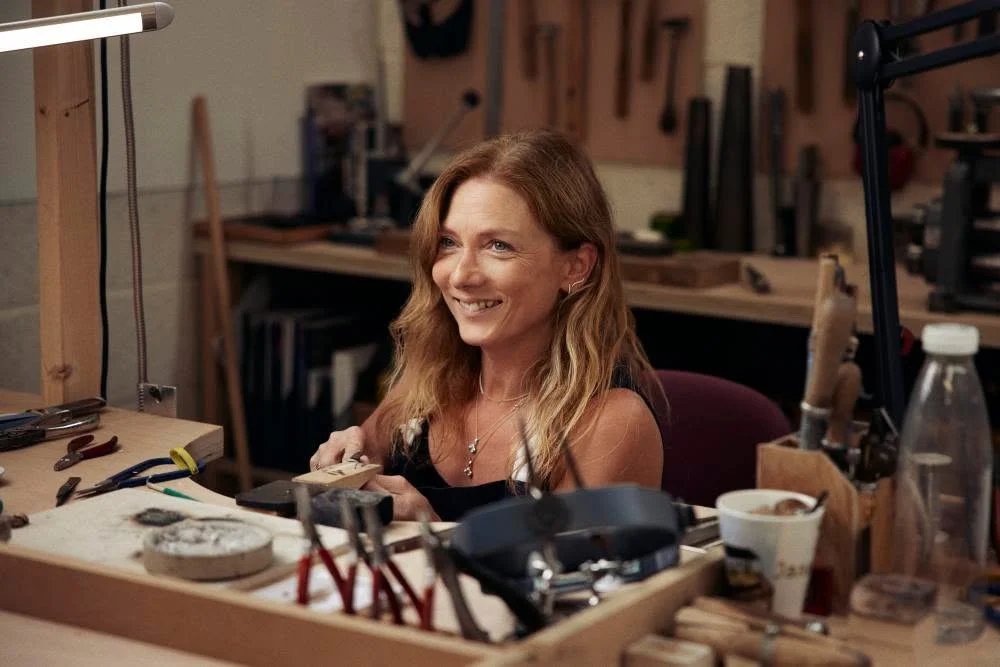
Jane Taylor has been working as a professional jeweller for over two decades. She began her jewellery business in 2001 and now runs a workshop and boutique in Surrey as part of a creative artisan community.
Alongside creating bespoke jewellery and selling her own collections, Jane teaches workshops and mentors students through Jewellers Academy diploma programmes. She is passionate about sharing her knowledge and helping students develop their jewellery making skills, particularly when it comes to working in wax.
Instagram - https://www.instagram.com/jewelledgodalming/
Website - https://www.jewelled.co.uk/