
Meet the Diploma Mentors 2026/27 - live open day replay
If you’re thinking about joining one of the Jewellers Academy Diploma programmes, this Meet the Mentors session is a brilliant watch. Jess is joined by three of our mentors to share what support looks like inside the Diplomas, how marking works, and what students can expect as they grow from ‘I’ve never picked up a saw’ to creating confident, professional-quality jewellery.
You’ll also hear the mentors’ own stories, which is one of the most inspiring parts of the session: three very different routes into jewellery, all leading to skilled, working jewellers who now guide others through the same learning curve.
Watch the replay now:
Quick navigation (timestamps)
00:00 – Welcome + what this session covers
01:21 – Why mentoring matters (relationship, support, accountability)
02:17 – Sally How (mentor on the Diploma in Silver Jewellery): how she got into jewellery + her business today
06:10 – Iain Sainsbury (mentor on the Diploma in Fine Jewellery): career change story + building a niche business
11:46 – Anelia Kuprina (mentor on the Advanced Jewellery Diploma): trained in the trade + fine jewellery workshop background
16:38 – What mentoring looks like in each Diploma (Silver, Fine, Advanced)
36:44 – Marking: how it works, what mentors look for, why it helps
51:51 – Favourite projects + best advice if you’re thinking of joining
01:01:13 – Wrap-up + key messages (keep making, let go of perfectionism)
The mentors’ stories: three paths into jewellery
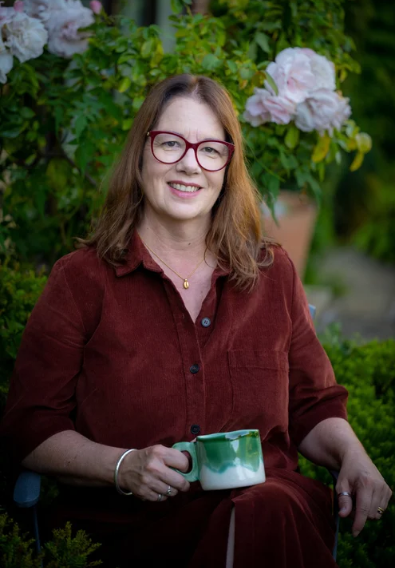
Sally How (Mentor: Diploma in Silver Jewellery)
Sally’s jewellery journey began in a very relatable place: she wanted something that was for her while raising small children. After working as a graphic designer and training as a teacher, she started attending evening classes and never stopped.
What started as learning for enjoyment quickly became gifting pieces to friends and family. When people began asking for pieces of their own, Sally eventually launched her business, How Fine Designs, in 2015, based in Yorkshire. Today, she works across commissions and workshops (with a particular love for wedding ring workshops), and she brings her teaching background into mentoring students through those early, confidence-building stages at the bench.
Sally's website: https://www.howfinedesigns.com/
Watch Sally’s story: around 02:17
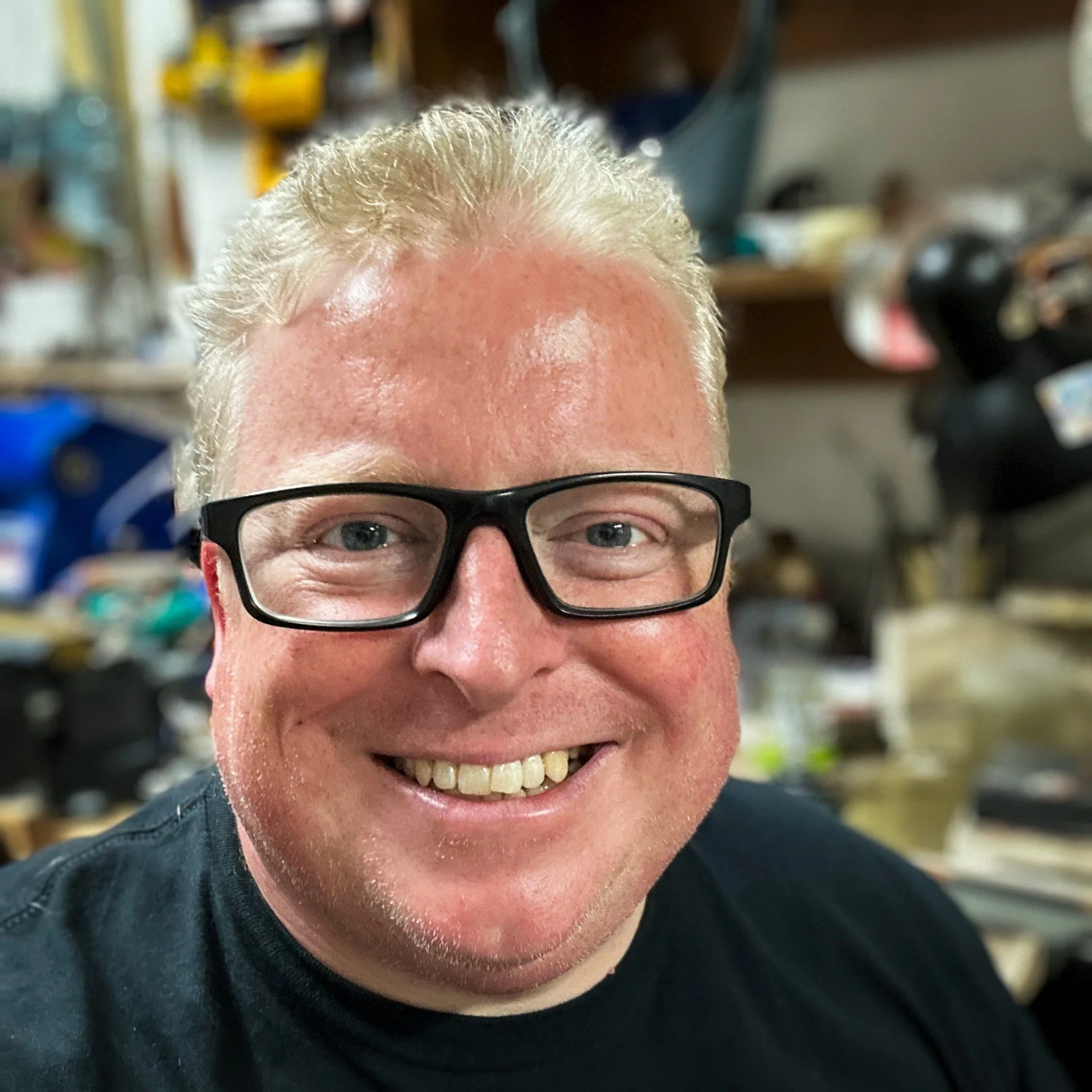
iain Sainsbury (Mentor: Diploma in Fine Jewellery)
Iain’s route into jewellery is a powerful reminder that it’s not too late to start. After 20 years in the pharmaceutical industry as a PhD scientist, he experienced burnout in 2018. During recovery, he began repairing straight razors—and from there discovered metalwork and jewellery almost by accident.
A copper heart made for his wife’s copper wedding anniversary lit the spark. He tried teaching himself online, but it didn’t quite click, and that eventually led him to Jess and the Fine Diploma (he was in the early intakes). Since then, his jewellery career has moved fast: he built a bespoke business, found a clear design language influenced by Art Deco and brutalist architecture, and developed a niche with techniques like sandcasting. He also shares honestly that progress came through repetition, mistakes, and sheer perseverance (including making the Fine Diploma tennis bracelet project three times!).
Iain's website: https://iainsainsbury.com/
Watch Iain’s story: around 06:10
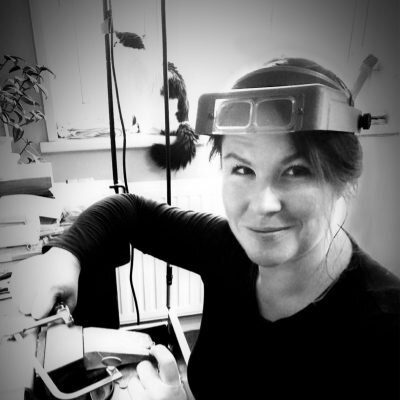
Anelia Kuprina (Mentor: Advanced Jewellery Diploma)
Anelia’s background is rooted in the trade. She trained formally, completing a degree in goldsmithing/silversmithing/jewellery design, then spent years working in the industry across different roles—from wholesalers and assembly work to high-end production in London.
Her experience is strongly production-based, which shows in her precision and technical approach. Today she works independently from London, creating bespoke pieces, remodels, repairs, and alterations—“workshop jewellery” in the real-world sense. She also speaks candidly about the solitude that can come with bench work, and how teaching and mentoring is a welcome counterbalance: a way to connect, share knowledge, and see students grow rapidly in a year.
About Anelia: https://www.deltahousestudios.co.uk/anelia-kuprina
Watch Anelia’s story: around 11:46
What the session covered (in a nutshell)
1) What mentoring looks like inside the Diplomas
Jess outlines the structure: students have six 1:1 mentor calls across the year, plus fortnightly group sessions for support, troubleshooting and momentum.
All three mentors emphasise the same themes:
Students arrive with a wide range of experience, from absolute beginners to confident improvers.
The group calls normalise challenges and create peer support (“if you’re thinking it, someone else is too”).
There are multiple ways to do the same technique, and learning different approaches is part of becoming a jeweller.
Accountability matters: progress comes from finishing, not waiting for perfection.
Start of Diploma structure + mentor perspective: around 16:38
2) How each Diploma feels from a mentor’s point of view
Silver Diploma (Sally):
Sally loves watching the transformation - especially how quickly students build skill and confidence. The fortnightly calls cover marking criteria and whatever students need help with: sawing, soldering, understanding tools, and the “no silly questions” reassurance that helps people actually ask.
Fine Diploma (Iain):
Iain describes Fine as collaborative and “peer-to-peer” in energy: students problem-solve together, and the mentor helps them figure out why something isn’t working even when they’ve watched the videos. He highlights that problems don’t disappear as you get more advanced—you just get better at working through them.
Advanced Diploma (Anelia):
Anelia explains that Advanced builds on solid bench skills and pushes students into more demanding work: more stone setting techniques, technical precision, and also creatively playful projects (like mixed media and catwalk-inspired work) that balance the intensity. She strongly emphasises time management and not leaving things to the last minute.
3) Marking: why it’s not scary, and why it’s so valuable
This section is reassuring if you’re nervous about assessment. All three mentors describe marking as a feedback loop, not a “gotcha”.
Key takeaways:
Seeing the work in-hand and under magnification reveals details you simply can’t assess on Zoom.
Mentors look for what’s working as well as what could improve.
Even an unfinished piece can be incredibly useful to mark—mentors can often “read backwards” to understand what happened and advise the next step.
The marking criteria helps students identify strengths and focus areas over time (for example, strong soldering but polishing needs work).
Marking discussion: around 36:44
Jess also shares a helpful mindset shift: your skills grow fastest through consistent making, not pressure. She mentions a well-known pottery-class study idea: the group making lots of pots improved more than the group trying to make one “perfect” pot—because repetition builds skill.
Favourite projects (and why students love them)
This is the most fun part of the session because it gives you a window into what you might be making—and what kinds of learning each level prioritises.
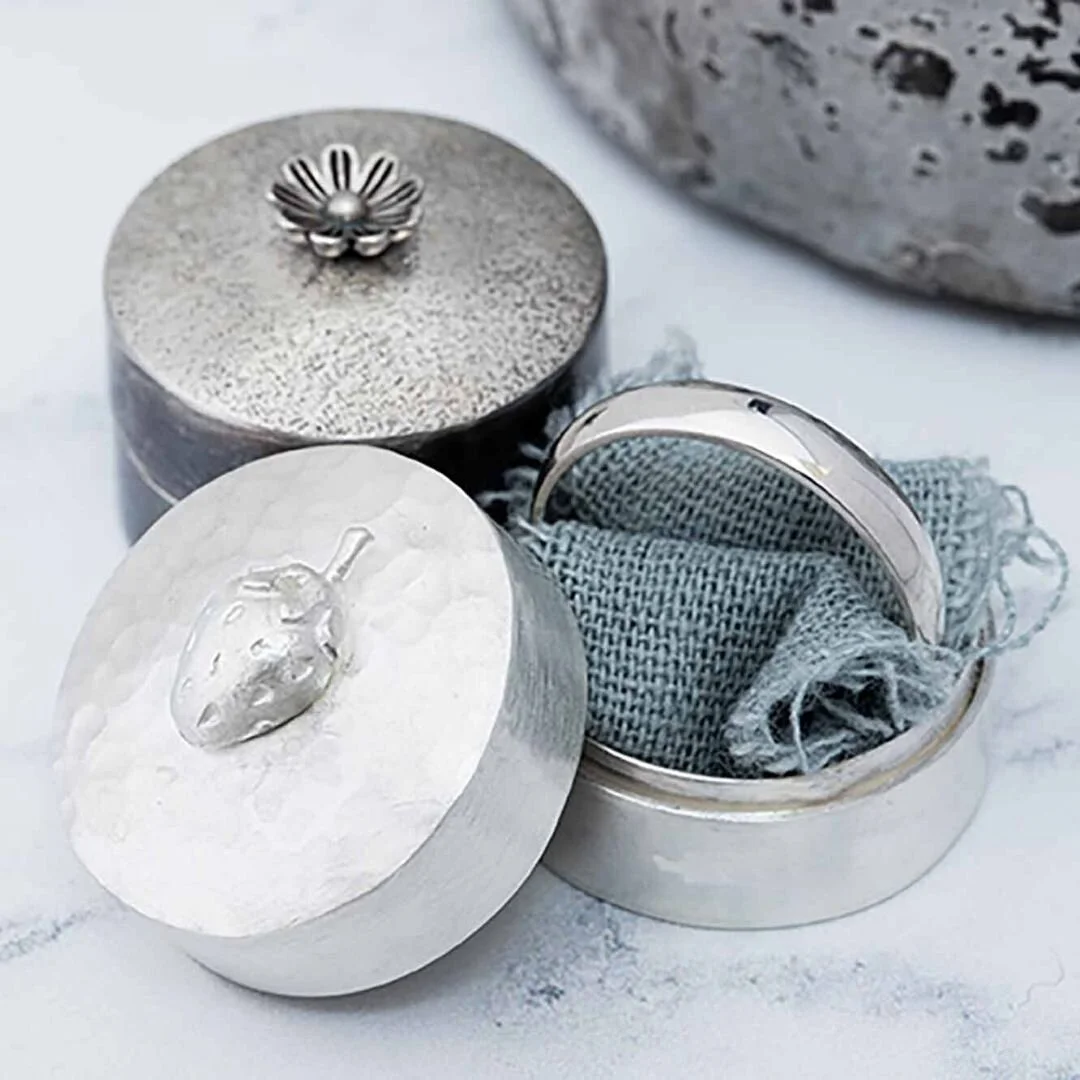
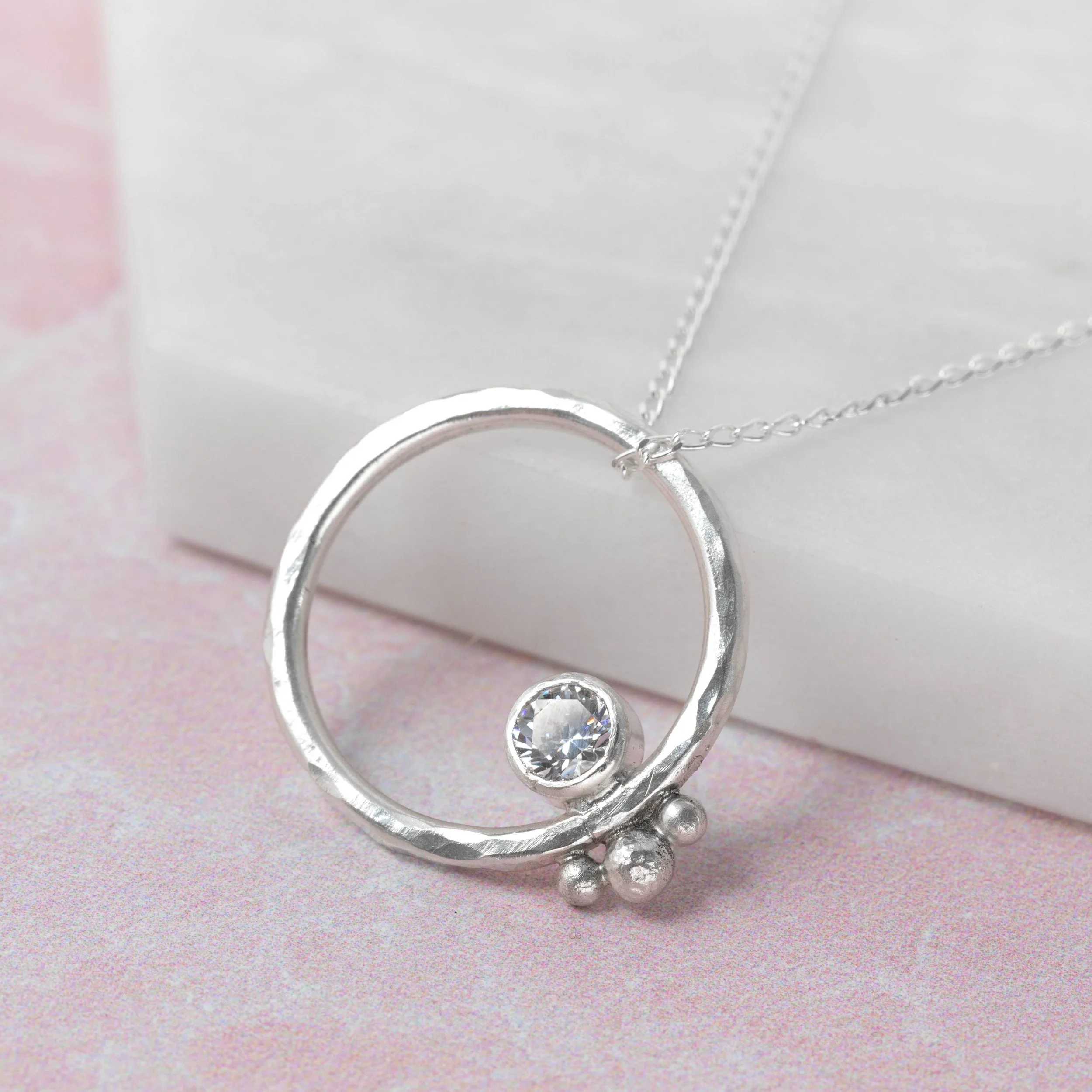
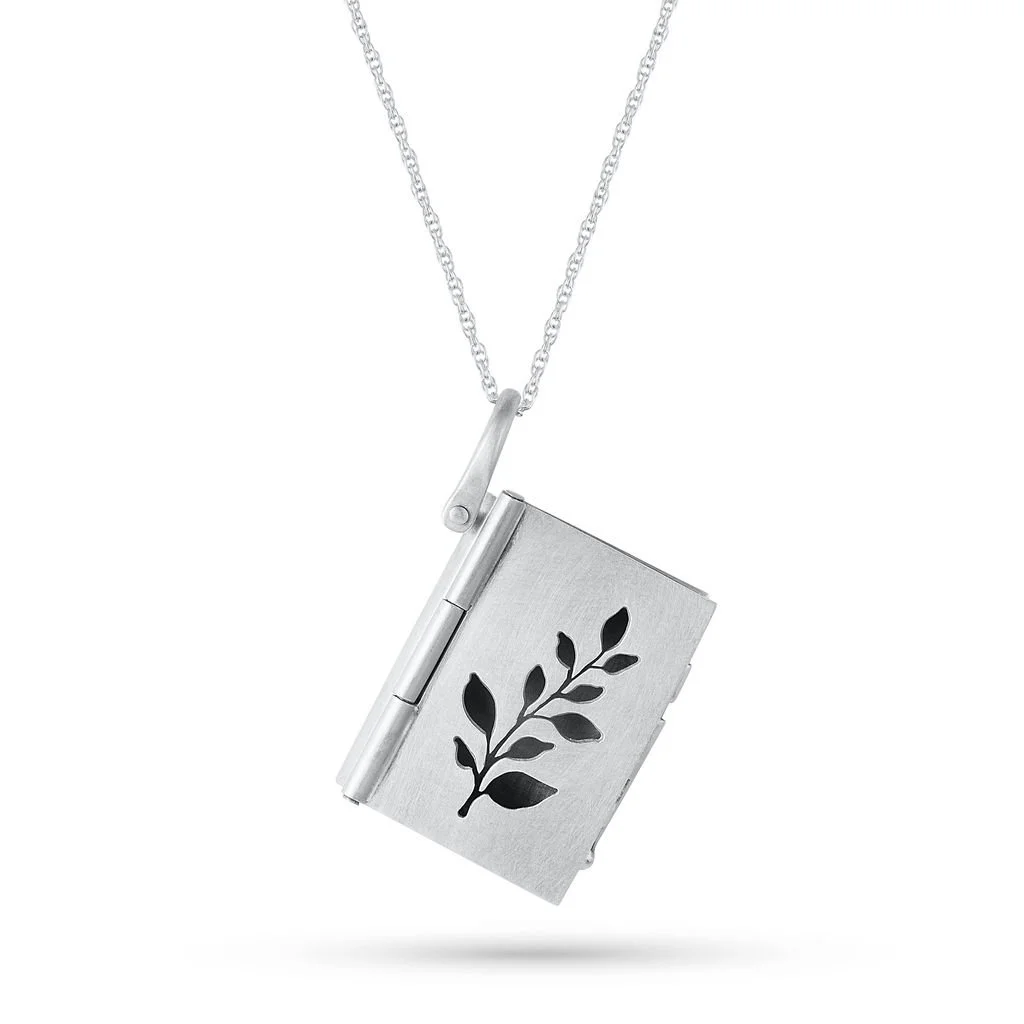
Sally (Silver):
Trinket box: a structured project with lots of room for design flair and personal expression.
Also mentions loving rivets + tube setting early on because outcomes vary so much.
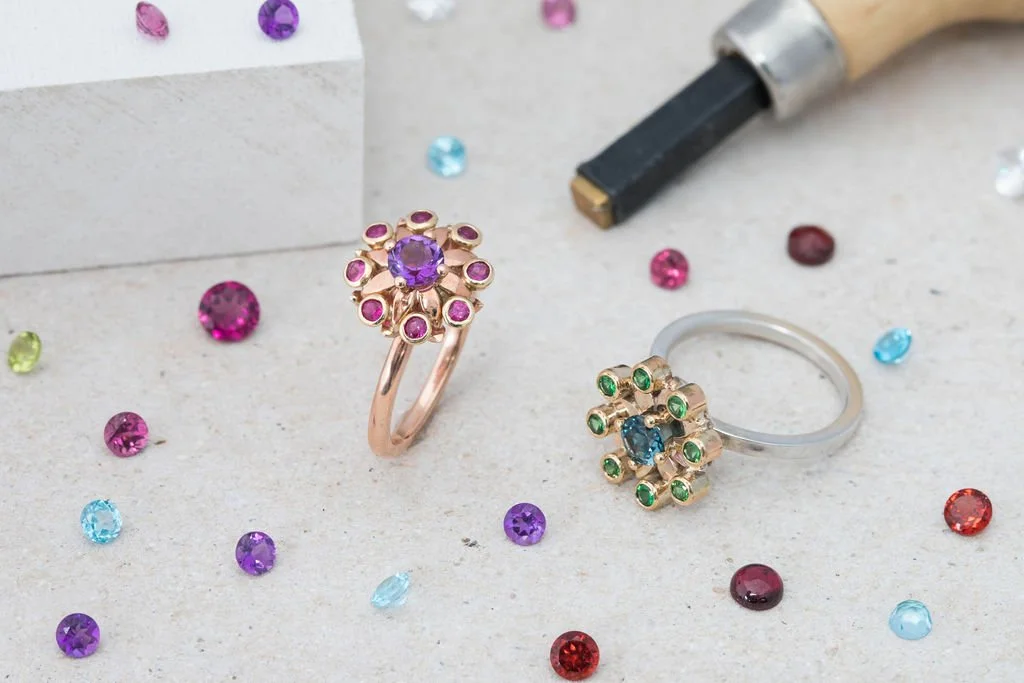
Iain (Fine):
Loves the cluster project (and says it’s the one he once thought he’d never be able to make).
Emphasises that everything is achievable, but very few people nail it first time—and that’s normal.
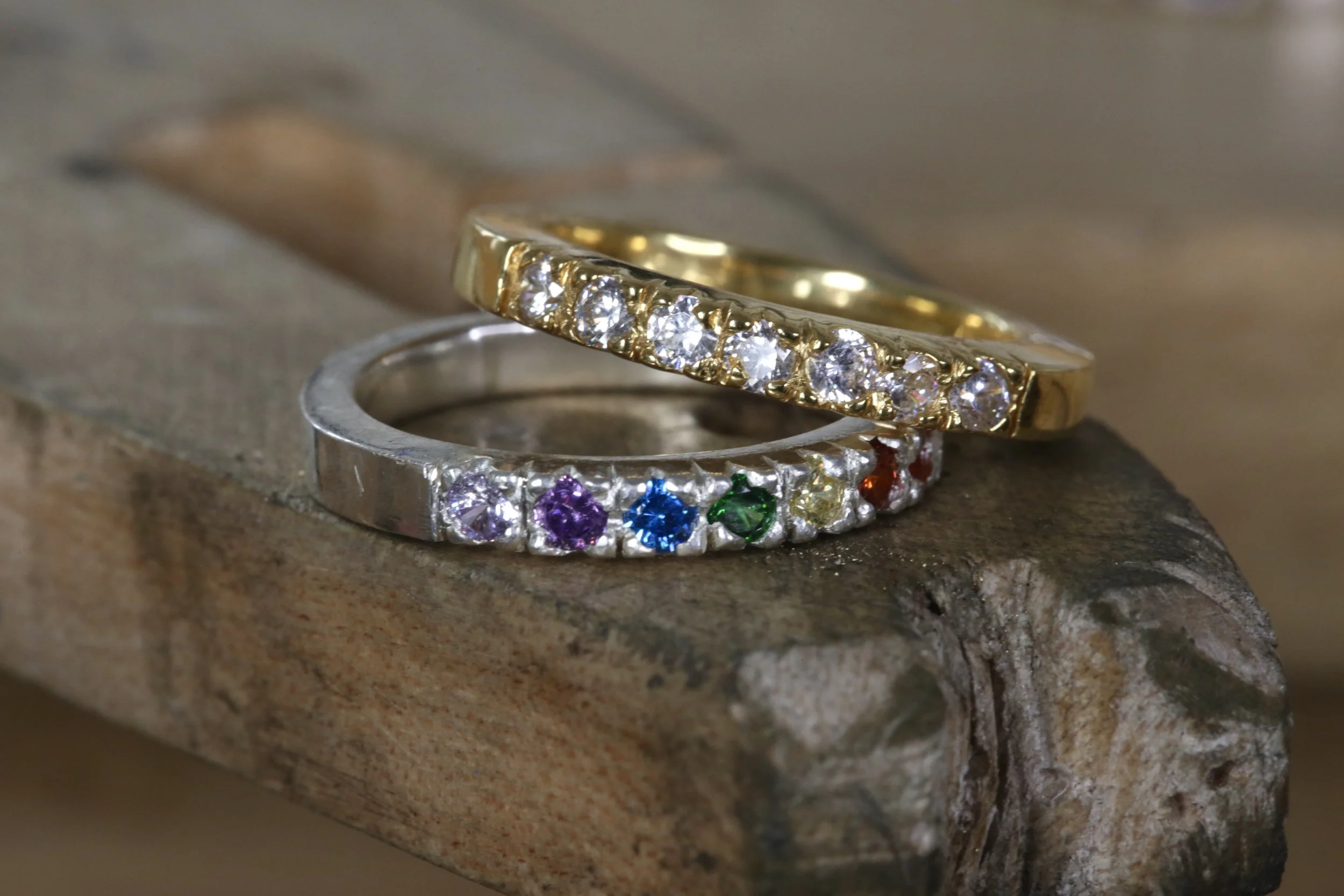
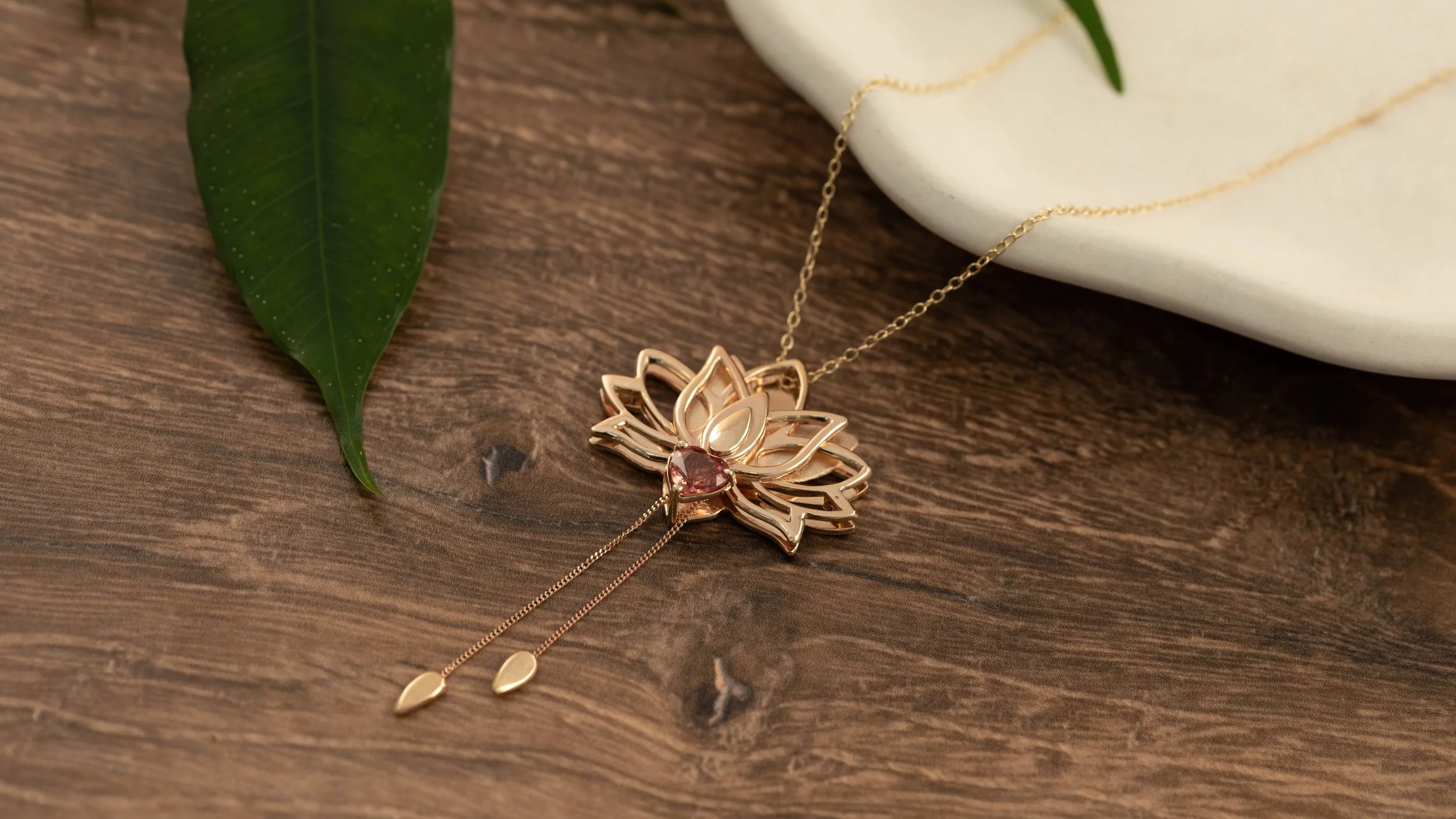
Anelia (Advanced):
Eternity ring setting: simple band + stones = huge impact, and it teaches essential precision (marking out, drilling straight, spacing).
Mixed media brooch: a conceptual, creative project with unpredictable (in the best way) results and a reminder that not all jewellery has to be commercial.
Also gives a shout-out to the kinetic project as challenging but transformational, because it forces planning and builds confidence with piercing and soldering.
Favourite projects + advice: around 51:51
The mentors’ advice if you’re thinking of joining
Across all three diplomas, the advice lands in the same place:
Believe you can do it (confidence matters more than having the “perfect” starting point).
Stick to the timeline (the year moves fast, and momentum is everything).
Don’t wait for perfect (send in the work, get feedback, improve through making).
Keep going even when something doesn’t work—because the learning is in the attempt.
Enjoy it: it’s intense, but it’s also deeply rewarding.
Final thought
This Meet the Mentors session is a clear behind-the-scenes look at what makes the Diploma experience different: you’re not learning alone. You’re learning with structure, deadlines, feedback you can trust, and mentors who genuinely want to see you succeed—whether you’re at the beginning of your jewellery journey, stepping into fine jewellery techniques, or pushing into advanced stone setting and complex builds.
If you’re watching the replay, use the timestamps above to jump straight to the mentor stories, the mentoring structure, or the marking section—depending on what you’re most curious about right now.
Learn more about the Diploma courses and enrol now
Year 1 - Diploma in Silver Jewellery https://www.jewellersacademy.com/diploma
Year 2 - Diploma in Fine Jewellery https://www.jewellersacademy.com/diploma-in-fine-jewellery
Year 3 - Advanced Jewellery Diploma https://www.jewellersacademy.com/advanced-jewellery-diploma