
Micro setting can feel like a whole different world when you first encounter it. Tiny stones, microscopes, gravers, bright cutting, pave, castle settings… it can seem incredibly technical and intimidating from the outside.
But as jeweller and stone setter Iain Sainsbury shared in this Jewellers Academy Benchtips session, micro setting is also one of the most rewarding and satisfying jewellery skills you can learn.
In this live Q&A, Jessica Rose and Iain explored how to get started with micro setting, the tools that genuinely make a difference, common beginner mistakes, and why patience and practice matter far more than perfection.
This session explores the realities of learning micro setting: the tools that help, the mistakes everyone makes, and how your skills develop over time.
WATCH THE REPLAY
What questions were asked? Skip ahead to find your answers:
Around 3 mins: What is micro setting and what types of small stone settings are there?
Around 7 mins: How did Iain get started with micro setting?
Around 9 mins: How much practice does micro setting take?
Around 15 mins: How do you get the burr depth right when setting tiny stones?
Around 19 mins: What tools do you need for micro setting?
Around 23 mins: Do you need a microscope for micro setting?
Around 27 mins: How do you use a microscope if you wear glasses?
Around 30 mins: What is an air graver and do you need one?
Around 36 mins: Which is better to invest in first: a microscope or an air graver?
Around 40 mins: What dividers are useful for micro setting?
Around 42 mins: What is a good first micro setting technique to learn?
Around 46 mins: Can micro setting techniques be used with metal clay?
Around 49 mins: What should you practise micro setting on?
Around 52 mins: How do you hold your work securely for micro setting?
Around 58 mins: Final advice for getting started with micro setting.
What Is Micro Setting?
Micro setting generally refers to setting very small stones, typically 3mm and below. These techniques are commonly used in fine jewellery, engagement rings, eternity bands and detailed stone-set surfaces.
Iain explained that while the stones become smaller, the techniques themselves are often similar to larger stone setting methods. The biggest difference is the level of precision required.
Some of the most common micro setting styles include:
Pave setting
Castle setting
Fishtail setting
Channel setting
Halo settings
Scallop setting
These techniques are used to create intricate surfaces of stones that appear almost seamless when finished.
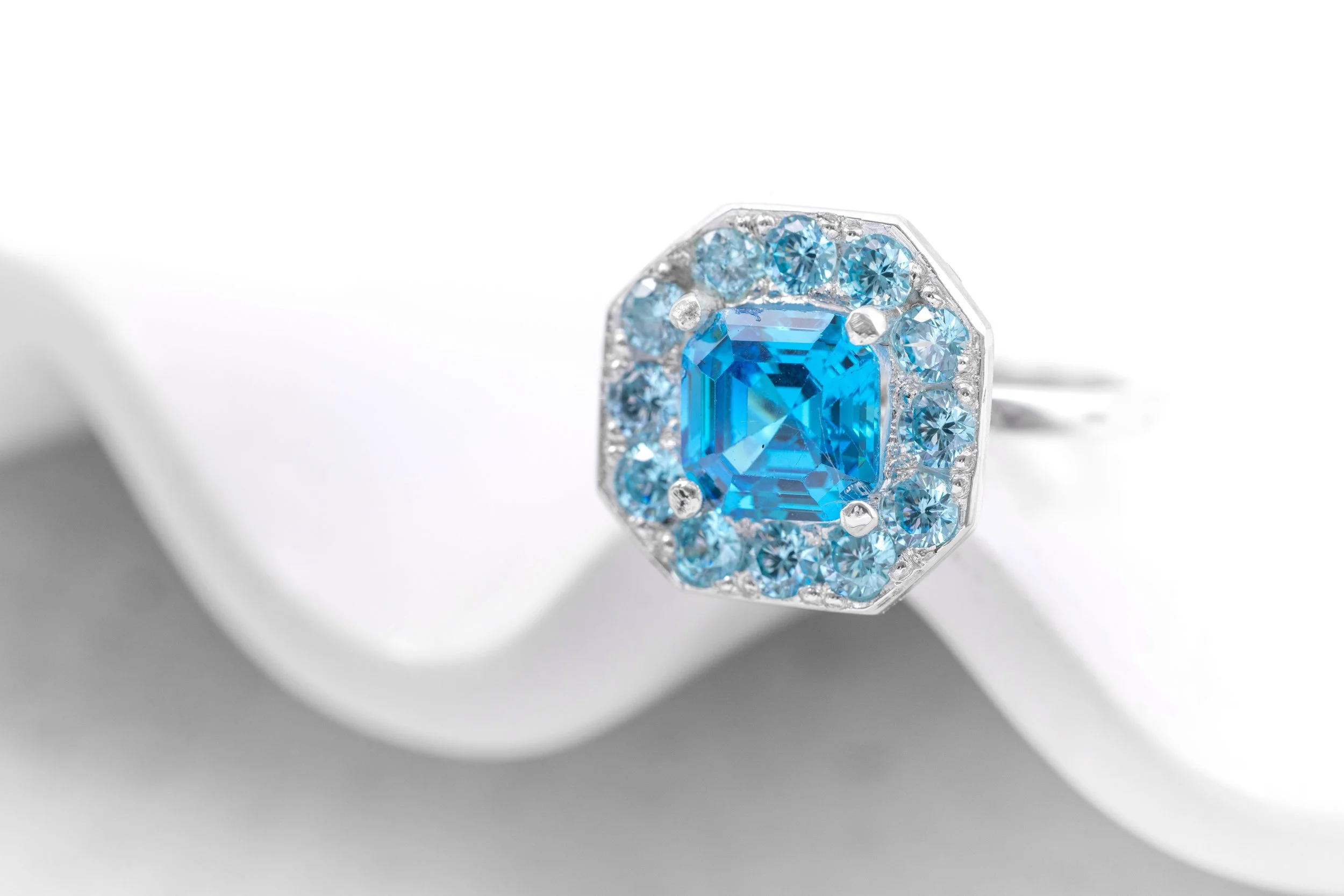
Halo Setting projects taught by Scott McIntyre on the Advanced Jewellery Diploma
Why Jewellers Love Micro Setting
One of the key themes throughout the session was how satisfying micro setting can become once you begin to understand the process.
Iain described the appeal as:
“There’s something quite magical about how tiny amounts of metal hold stones in place.”
Unlike some areas of jewellery making that rely heavily on soldering and fabrication, micro setting often becomes a slower, more mindful process focused on precision and detail.
Jessica also highlighted how learning advanced stone setting techniques can elevate your jewellery work and open up new creative possibilities, especially if you want to move into fine jewellery or bespoke commissions.
How to Start Learning Micro Setting
The good news is that you do not need thousands of pounds worth of equipment to begin learning.
In fact, both Jess and Iain strongly encouraged jewellers to begin with:
Copper practice plates
CZ stones
Hand gravers
Optivisors or magnification
Simple work holding tools
Many of the techniques taught in the Jewellers Academy Advanced Jewellery Diploma are completed without microscopes or air gravers.
The key is repetition and practice.
Jessica shared that one of the most important mindset shifts is accepting that your first attempts probably will not look perfect — and that is completely normal.
As Iain explained:
“You don’t ever stop learning how to set stones. You just get slightly better at it as you go along.”
Do You Need a Microscope for Micro Setting?
One of the most common questions was whether microscopes are essential.
The answer: no, but they can dramatically improve visibility and precision once you begin working regularly with very small stones.
Iain explained that microscopes become especially useful when working with stones around 1mm and below, or when creating highly refined, professional-level work.
However, beginners can absolutely start with:
Optivisors
Good lighting
Hand tools
Careful marking out
Jessica emphasised that many jewellers complete excellent setting work without microscopes for years before deciding to invest.
Recommended Micro Setting Tools
During the session, Iain shared some of his favourite tools for micro setting.
These included:
Essential Beginner Tools
Hand gravers
Beading tools
Dividers
Optivisor magnification
Ball vice or work holding system
Copper practice plates
CZ stones
More Advanced Investments
Micromotor systems
Microscopes
GRS Benchmate systems
Air gravers
Professional lighting systems
One particularly helpful takeaway was that expensive tools do not automatically create better results.
Technique, patience and understanding metal movement matter far more.
The Importance of Practice
Micro setting requires repetition.
A lot of repetition.
The session repeatedly returned to the importance of practising on copper first, learning how metal behaves, and becoming comfortable with gravers and burrs before moving onto precious metals.
Iain recommended:
Starting with copper rather than silver
Using good quality CZs for practice
Reusing stones from practice pieces
Taking things slowly
Accepting mistakes as part of the process
The conversation also touched on how different metals behave differently under gravers and burrs, with copper feeling very different to silver or gold.
Can You Use Micro Setting Techniques with Metal Clay?
An interesting audience question explored whether micro setting could work with metal clay jewellery.
Jessica and Iain discussed how fine silver’s softness and porosity could make traditional micro setting techniques more challenging, especially for styles like pave setting.
However, they suggested that combining sterling silver clay elements with metal clay designs could offer a more workable solution for jewellers wanting to explore these techniques.
Why Micro Setting Can Elevate Your Jewellery Work
One of the strongest messages from the session was that advanced stone setting skills can significantly expand your jewellery making possibilities.
Micro setting allows jewellers to:
Create more refined fine jewellery
Add higher value details to designs
Offer bespoke stone setting services
Develop specialist expertise
Increase the perceived luxury of their work
And while the learning curve can feel steep initially, both Jessica and Iain encouraged jewellers to simply begin.
As Iain said at the end of the session:
“Give it a go. You’ll find out pretty quickly if you enjoy doing it.
Learn More with Jewellers Academy
You can learn stone setting on all of our Diploma courses.
Diploma in silver jewellery
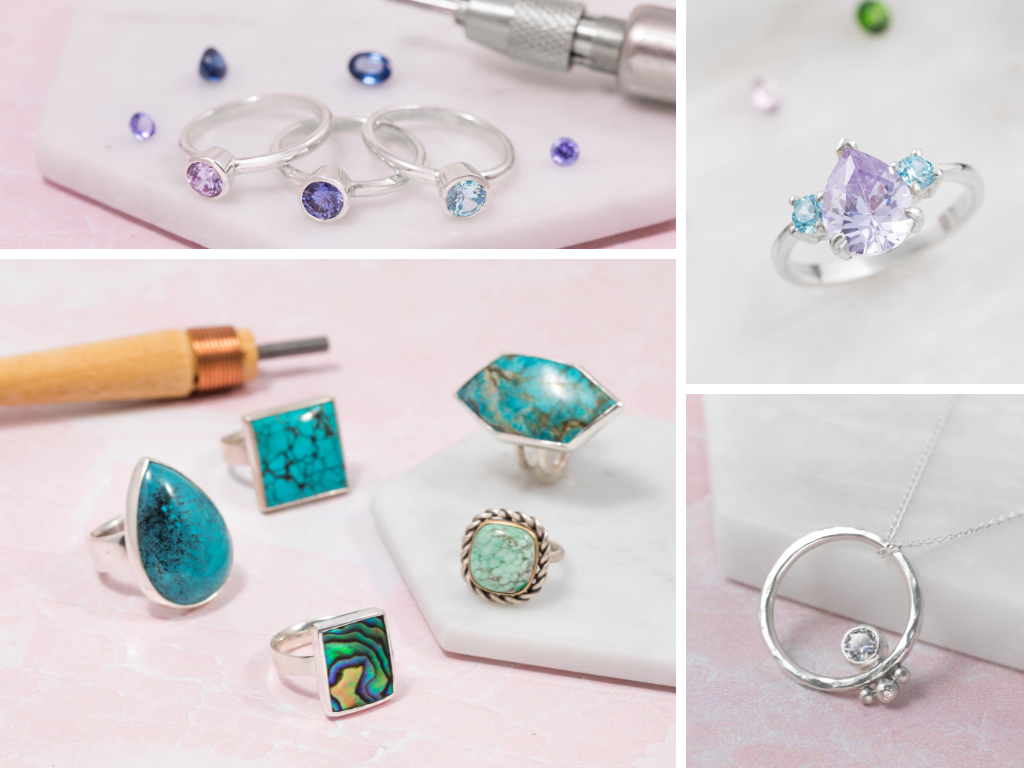
This course is suitable for complete beginners to stone setting and covers:
Cabochon setting
Bezel setting
Tube setting
Flush setting
Claw setting
Collet setting
Cast settings / cast stone settings
Shaped cabochon settings
Solitaire setting
Learn more here: https://www.jewellersacademy.com/diploma
diploma in fine jewellery
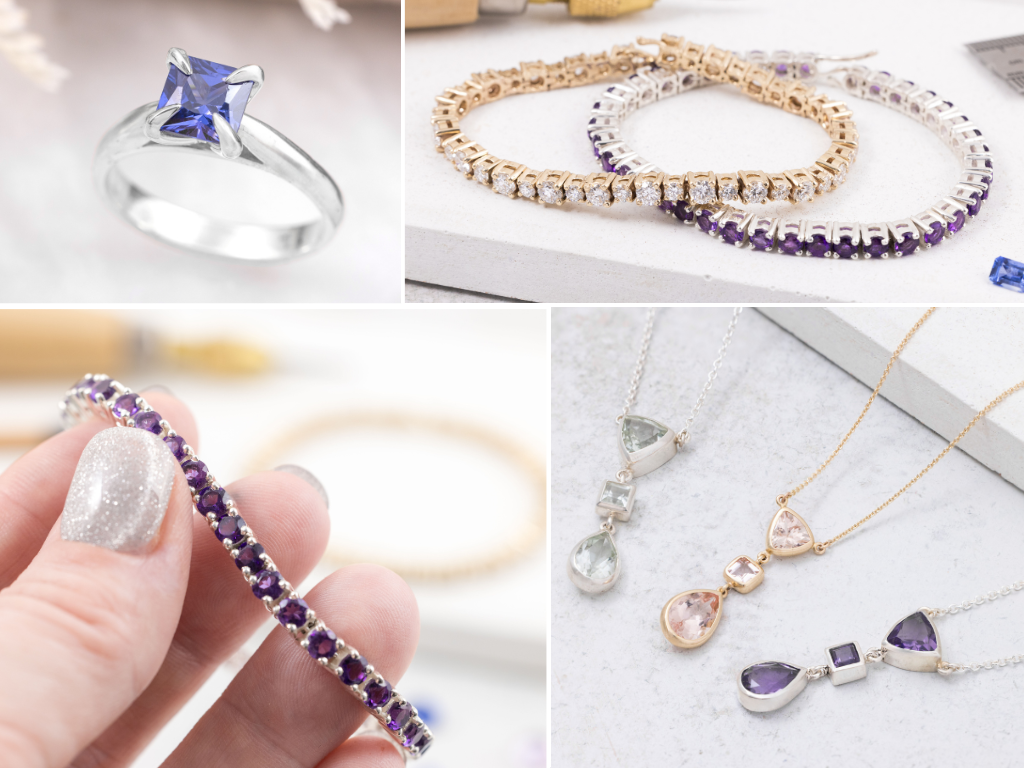
The Diploma in Fine Jewellery is our year 2 Diploma course. Building on the skills learnt in year 1, here are the stone setting techniques you can learn:
Claw setting
Round stones
Oval stones
Pear cut stones
Cushion cut stones
Double gallery claw setting
Princess cut claw setting
Collet setting
Pear shaped collet setting
Multi-stone totem pendant with shaped collet settings
Square / princess cut collet settings
Pear cut collet settings
Trillion cut collet settings
Tennis bracelet stone setting
Round stone tennis bracelet construction
Double gallery settings
Linked settings and clasp work
Marquise stone setting
Star stone setting
Using gravers
Star setting techniques
Diamond cluster ring stone setting
Learn more here: https://www.jewellersacademy.com/diploma-in-fine-jewellery
advanced jewellery diploma
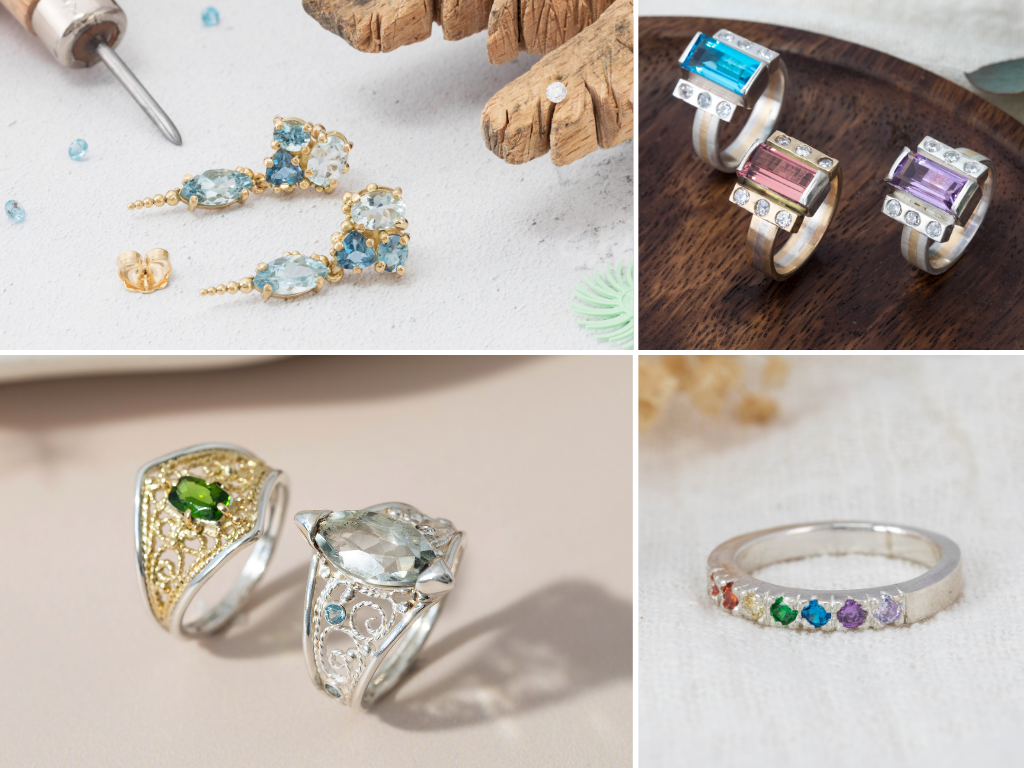
The Advanced Jewellery is our year 3 Diploma course. The focus of this course is on fine and high-end commercial jewellery techniques, advanced setting precision and specialist setter-style skills. Stone setting techniques taught on this course include:
Split claw setting
Eternity band project
Half eternity ring construction
Pavé setting
Dedicated pavé setting module with Scott McIntyre
Flush setting
Baguette set ring project
Mixed metals flush setting
Tension setting
Dedicated tension setting module
Channel setting
Dedicated channel setting module
Halo setting
Combination of pavé and claw setting techniques
Claw setting
Cluster earrings
Halo projects
Cluster earrings with claw settings and granulation
Large stone setting construction
Ring construction for larger stone settings
diploma in wax jewellery
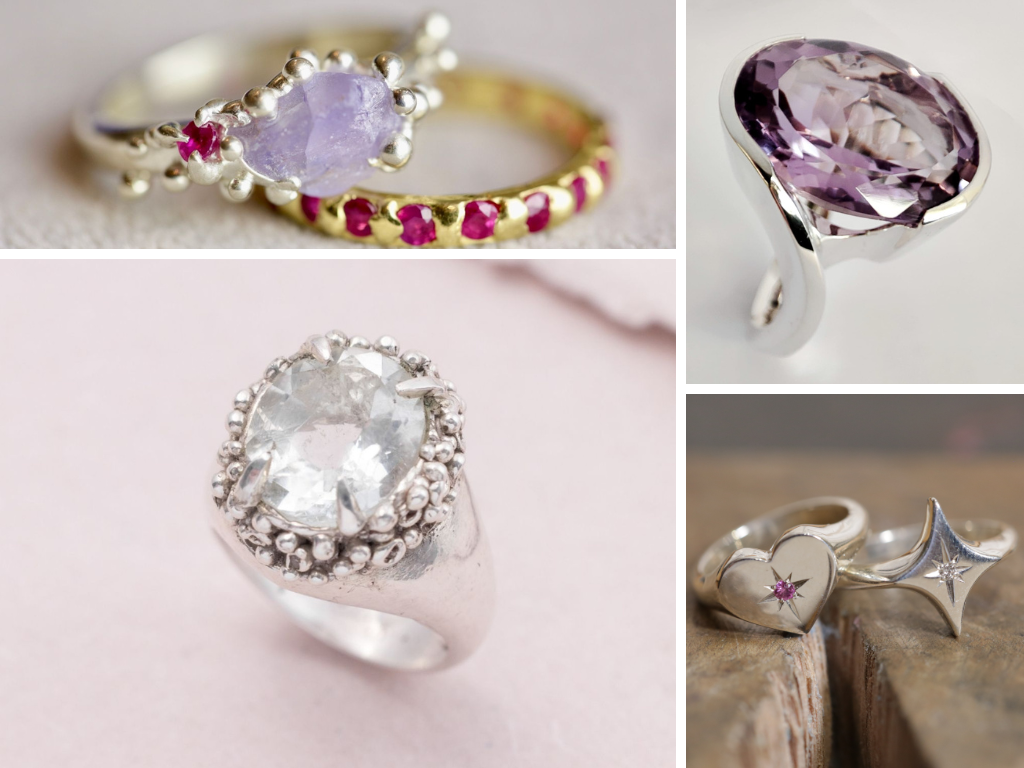
The Diploma in Wax Jewellery also features stone setting as a large part of the course. It covers:
Wax carving for stone set jewellery
Designing pieces specifically to hold stones after casting
Planning settings into wax models
Claw setting construction in wax
Creating claws and settings directly in wax before casting
Tube setting in wax
Creating tube settings within wax models
Flush setting preparation
Preparing pieces in wax for flush-set stones after casting
Bezel / rub-over style setting forms in wax
Stone-ready wax carving techniques
Creating settings that can later be finished and set in metal
Organic and sculptural stone setting approaches especially through the Mitsuro Hikime influenced style work
This course covers both the creating in wax and the stone setting techniques once the pieces are back from the caster.
Learn more here: https://www.jewellersacademy.com/diploma-in-wax-jewellery