
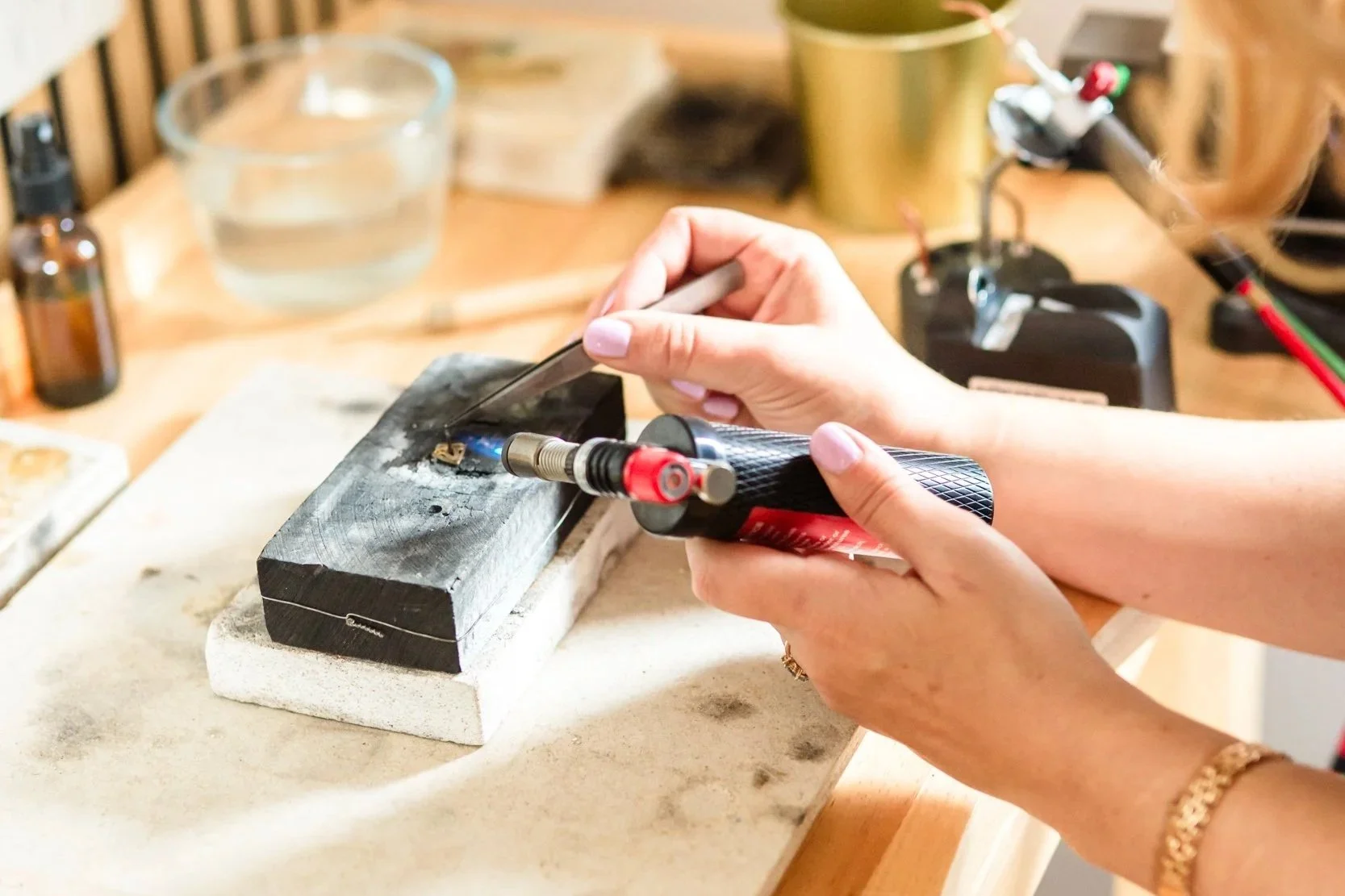
One of the most common questions beginner jewellers ask is:
"Which torch should I buy?"
The answer depends on what you want to make, the types of metal you'll be working with, and how much soldering you plan to do. While there's no single ‘best’ torch, there is a natural progression that many jewellers follow as their skills develop.
In this guide, we'll compare three popular options:
An entry-level handheld butane torch
A Max Flame Pro torch
A Smiths Little Torch (which uses oxygen and propane)
Let's take a look at how they differ and which one might be right for you.
the Entry-Level Handheld Butane Torch
For many jewellers, this is where the journey begins.
A handheld butane torch is lightweight, portable and incredibly easy to use. It runs on refillable butane gas (lighter fuel) which can be bought from most places that sells cigarettes including supermarkets, newsagents and convenience stores. It doesn't require any additional equipment, making it ideal for those making jewellery from home.
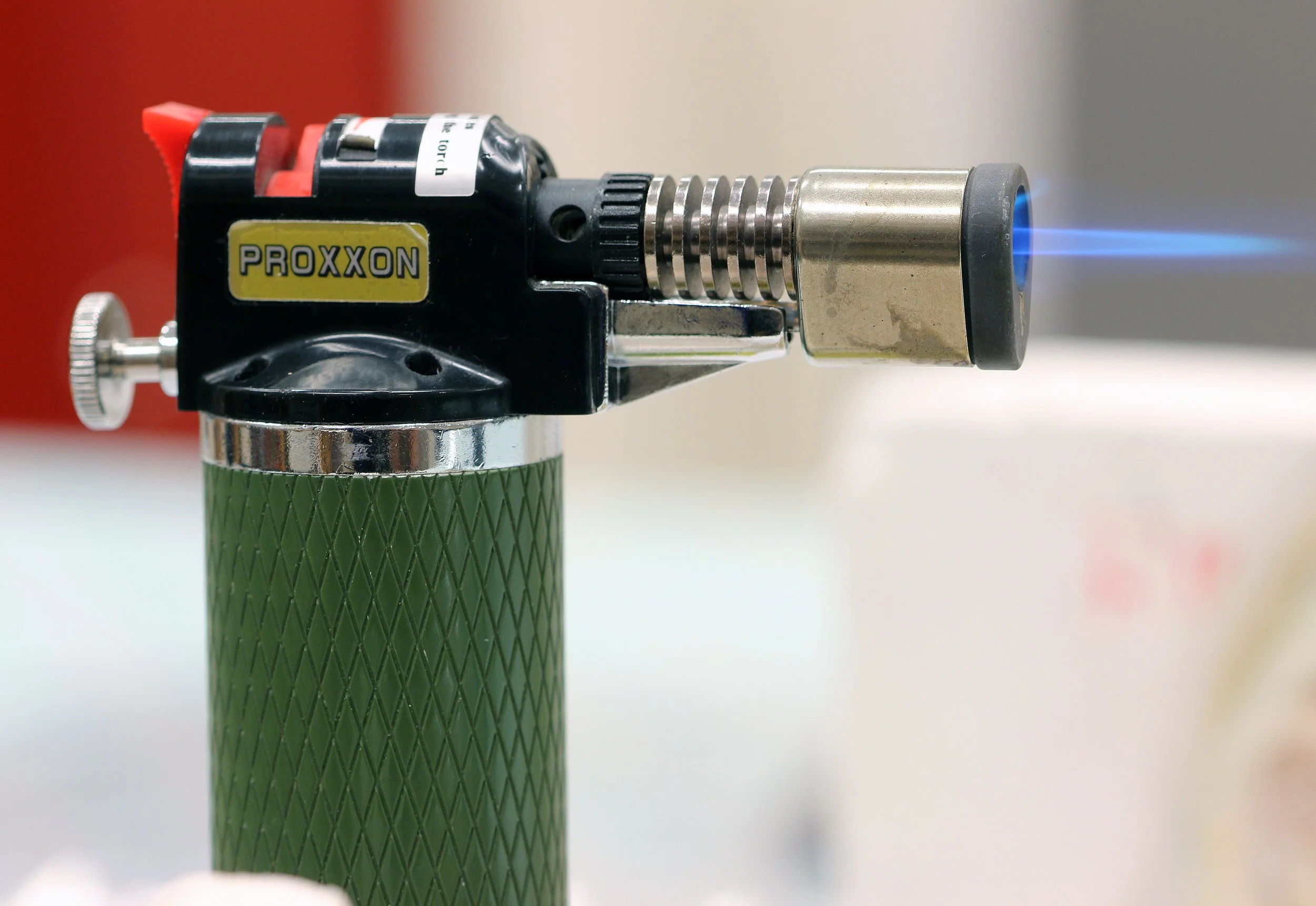
Best for:
Beginners working from home
Soldering jump rings, small components and jewellery designs such as rings and earrings
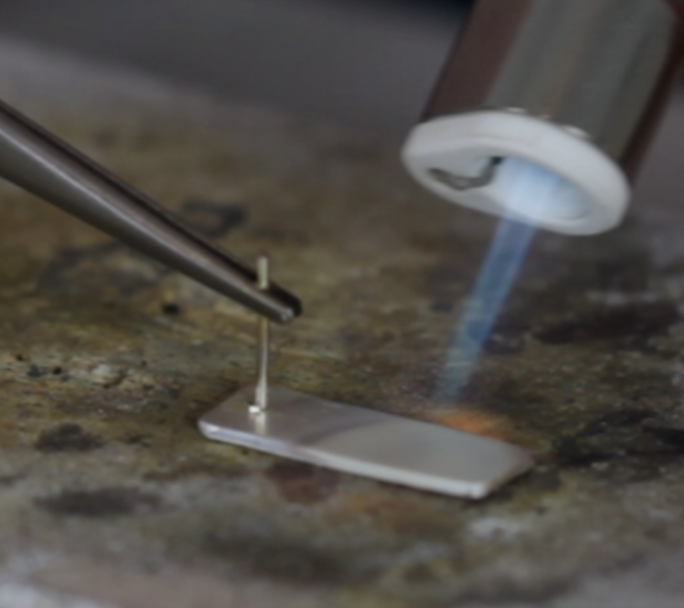
Advantages
Affordable
Simple to refill
Portable
No hoses or regulators
Limitations
Butane torches produce a relatively small flame, which means they can struggle when heating larger pieces of metal. As your projects become bigger or more complex, you may notice it takes longer to reach soldering temperature. This isn't a fault with the torch, it's simply reaching the limits of its power and its probably time to upgrade your torch.
The Max Flame Pro Torch
Once you've gained confidence and are making jewellery more regularly, and perhaps creating bigger pieces, many jewellers choose to upgrade to a Max Flame Pro.
Although it still runs on butane, the Max Flame Pro produces a larger, hotter and more concentrated flame than a standard handheld torch. This gives you more control and allows you to tackle larger soldering jobs with greater ease.
Best for:
Intermediate jewellers
Larger silver jewellery designs
Bangles and cuffs
Multiple solder joins
More regular studio use
Advantages
More powerful flame
Faster heating times
Better suited to larger pieces
Still easy to use
Portable and refillable
Limitations
Compared to the entry level butane torch, the Max Pro Flame isn't just temperature, it's flame size and heat output. A larger flame transfers more heat into the metal, making soldering larger items much easier.
For many hobby jewellers and small businesses, the Max Flame Pro offers an excellent balance between affordability, ease of use and performance.
The Smiths little Torch (Oxygen & fuel)
If you’ve been making jewellery for a while and you're ready for maximum precision and versatility, it's probably time to look at a more professional level torch such as the Smiths Little Torch.
Unlike butane torches, the Smiths Little Torch uses two gases, oxygen and fuel (usually propane). Mixing oxygen with propane creates a much hotter, highly focused flame that can be adjusted to suit everything from delicate chain repairs to larger jobs such as recycling metal and casting.
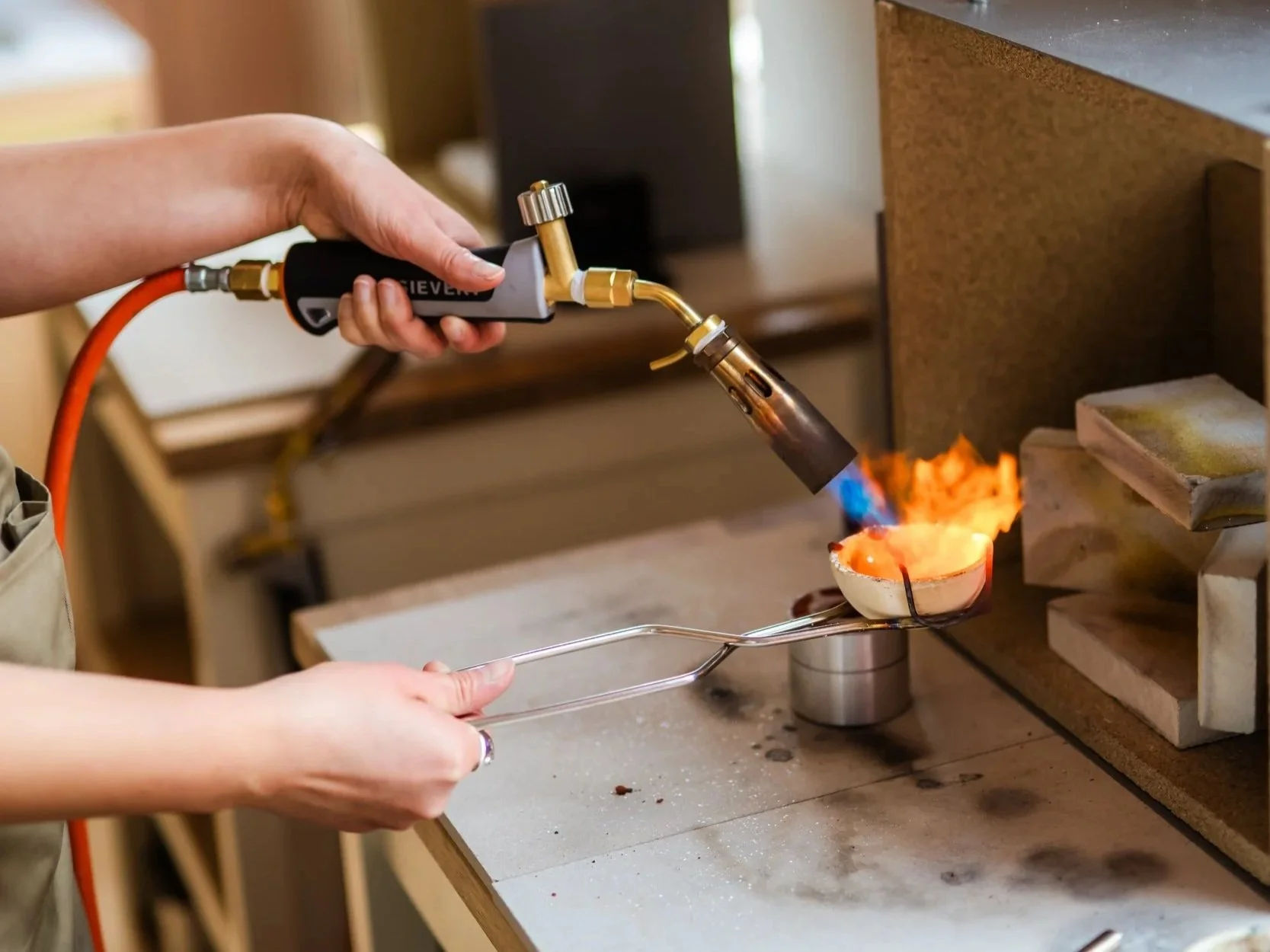
Best for:
Professional jewellers
Stone setting work
Fine soldering
Gold & silver jewellery
Recycling & casting
Advantages
Extremely precise flame control
Very hot flame
Multiple interchangeable tips
Suitable for both tiny and larger jobs
Professional-level performance
Things to consider
The Smiths Little Torch setup is more involved than a handheld torch.
You'll need:
Oxygen supply
Propane supply
Regulators
Hoses
Flashback arrestors
A suitable soldering station
Although the initial setup costs more, many jewellers consider it a worthwhile long-term investment. We would recommend visiting a reputable supplier for a demonstration or getting some more advice on buying a Smiths Little torch or similar oxygen/propane gas torch so that you know how to set it & use it safely. Or maybe booking a class at Jewellers Academy Brighton to help you learn more about the different types of torches as our team are more than happy to help offer advice.
So do You Need the Most Powerful Torch?
Not necessarily. Many beautiful pieces of jewellery are made using nothing more than a handheld butane torch. If you're just starting out, there's no need to invest in professional equipment before you've learned the basics.
As your confidence grows and your projects become more ambitious, upgrading to a more powerful torch simply makes the process easier and more enjoyable.
Think of it as buying the right tool for the job rather than the biggest tool available.
Final Thoughts
Choosing a torch isn't necessarily about finding the ‘best’ one, it's about finding the one that suits where you are in your jewellery-making journey.
Just starting out? A handheld butane torch is an excellent first choice.
Making larger silver pieces? The Max Flame Pro offers more heat and faster soldering without adding much complexity.
Ready for professional-level precision? The Smiths Little Torch provides exceptional control and versatility for serious jewellery making.
Whichever torch you choose, mastering good soldering technique is far more important than having the most powerful flame. With practice, the right setup will help you create strong, clean solder joins and enjoy the process of making jewellery.
Sand Casting at Jewellers Academy Brighton
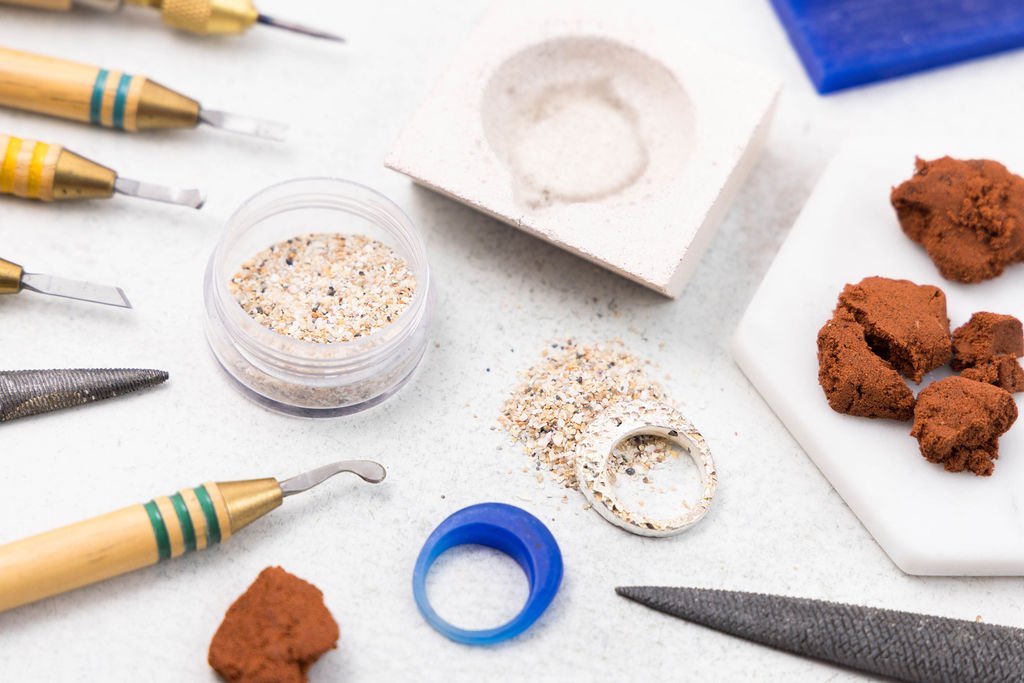
Learn the art of sand casting in this fun and intensive 1 day course. Sand casting is a casting process you can do from home which involves making a piece, often in wax or using natural or found objects and impressing it into a bed of sand.
This creates a sand mould which you then pour molten silver or other metals into to create the cast piece which you can then clean up to create a finished solid silver, brass or gold piece.
It is a magical and addictive process.
In this sand casting course you will practice casting a natural piece such as a twig or found object to learn the casting process. You will have the chance to carve a simple piece out of wax to then cast yourself, or you can use one of our sample wax pieces to cast. It can help to take one of our wax carving courses beforehand but it is not essential.
This class runs from 10-5pm and is a fun and intensive day open to anyone and suitable for absolute beginners.
This class is a great introduction to using a more professional torch such as the Smiths Little Torch.