
Silver Metal Clay Benchtips: Your Questions Answered
Silver metal clay can feel a little bit magical when you first discover it.
A material that starts as something you can roll, texture and shape by hand and transforms into solid silver jewellery after firing? It almost sounds too good to be true.
In this free Jewellers Academy Benchtips session, Jessica Rose was joined by silver metal clay tutor Anna Campbell and Diploma student Tori to answer your questions live and share practical tips for getting better results with silver metal clay.
Whether you're completely new to metal clay or already making and selling your work, this session covered some of the most common questions we hear around firing, shrinkage, rehydrating clay, stone setting, enamelling and working with different metals.
Watch the replay below and then jump to the questions that interest you most.
watch the replay
jump to the topic you need:
0:00 What is silver metal clay?
0:04 Managing shrinkage
0:07 Kiln vs torch firing
0:09 Keeping clay hydrated
0:13 Reclaiming and reconstituting clay
0:17 Soldering silver metal clay
0:19 Enamelling techniques
0:23 Drying before firing
0:28 Bronze and copper clay
0:36 Working with gold
0:42 Stone setting and gemstones
What is silver metal clay?
If you’re new to metal clay, it’s made from recycled silver particles combined with a plant-based binder and water.
That combination creates a material that can be rolled, textured, sculpted and shaped much more like traditional clay.
Once the piece is fully dry, it’s fired either with a torch (for suitable projects) or in a kiln. During firing, the binder burns away and the silver particles fuse together, leaving behind solid fine silver jewellery.
One of the reasons so many jewellers fall in love with silver metal clay is how accessible it is. You can get started without a huge workshop setup and create professional quality jewellery from home.
Why does silver metal clay shrink?
Shrinkage is completely normal and actually a sign that the firing process is working correctly.
As the binder burns away and the metal particles fuse together, the piece naturally becomes smaller.
For most silver metal clays, you can expect around 8–10% shrinkage, although always check the manufacturer guidance for the clay you’re using.
The key isn’t preventing shrinkage.
It’s designing with shrinkage in mind.
For earrings and pendants this often isn’t noticeable, but for rings and pieces where exact sizing matters, allowing for shrinkage during design becomes important.
Tips for keeping your clay hydrated
One of the biggest frustrations with metal clay is opening a fresh packet and feeling like it’s drying before you’ve even started.
Some of Anna’s favourite tips included:
• Decide what you’re making before opening the packet
• Handle clay in fingertips rather than warm palms
• Add tiny amounts of water regularly rather than waiting until it dries
• Wrap clay tightly between sessions
• Store it in a slightly humid environment
One of the simplest ideas was wrapping the clay packet and storing it with a damp wipe or sponge to maintain moisture.
The good news?
If your clay does dry out, it usually isn’t wasted.
Can you reconstitute dried silver metal clay?
Yes.
One of the joys of metal clay is that there is very little waste.
Dry clay can be ground down into powder and mixed back with water to return it to a workable state.
Even pieces you’ve already made but decide not to fire can often be reclaimed and reused.
For many jewellers this becomes part of the creative process: make, test, improve, reclaim and remake.
Here is a video that Anna filmed showing the process of reconstituting silver clay
https://www.youtube.com/watch?v=FkWi_l9eUls
Can you enamel onto silver metal clay?
Absolutely.
Silver metal clay works beautifully with enamel.
Because fired metal clay becomes fine silver rather than sterling silver, there’s less preparation needed before enamelling.
During the session we talked about techniques including:
• Cloisonné enamelling
• Transparent enamels over texture
• Creating carved recesses for colour
• Layering colour into patterned surfaces
It’s one of those combinations that opens up endless creative possibilities.
How long should silver metal clay dry before firing?
There isn’t one perfect answer.
Drying time depends on thickness, humidity, temperature and the method you use.
You can leave pieces to air dry, speed things up using a warm surface or use drying aids such as mug warmers.
The important thing is this:
The clay must be completely dry before firing.
Any trapped moisture can turn into steam and create bubbling or damage during firing.
A helpful tip shared during the session was using a metal surface or mirror to check for condensation before firing.
Bronze and copper clay: worth it?
With silver prices increasing, more jewellers are exploring base metal clays.
Anna shared that while bronze and copper clay can produce beautiful results, they generally require more precise firing and often benefit from dedicated tools to avoid contamination.
For many makers, silver still wins because of consistency, reliability and the value of the finished work.
If cost is the concern, another suggestion was to work smaller in silver and reclaim more often.
Can you make gold jewellery with metal clay?
You can.
But gold clay itself is now extremely expensive.
Instead, there are some more accessible approaches including:
• Gold plating finished silver clay pieces
• Creating designs in silver and having them cast in gold
• Using Keum-boo to fuse gold foil to silver
• Adding gold accents with gold paste
These techniques allow you to bring warmth and luxury into your work without creating an entire piece in solid gold.
We have a free Adding Gold to Silver Metal Clay course which covers keum boo, gold paste and gold nuggets. Enrol now for free
https://learn.jewellersacademy.com/p/adding-gold-to-metal-clay
Can you set stones in silver metal clay?
Yes, but not every gemstone can be fired.
Some stones can be embedded directly into unfired clay and survive firing.
Others need to be set after firing using traditional jewellery techniques.
You can also combine silver clay with bezel settings and traditional stone setting approaches after firing.
Always check whether a stone is fireable before committing it to a piece.
You can find a guide to fireable gemstones here >
Watch the replay above for the full discussion and all the additional questions, examples and tips shared live.
next steps with metal clay
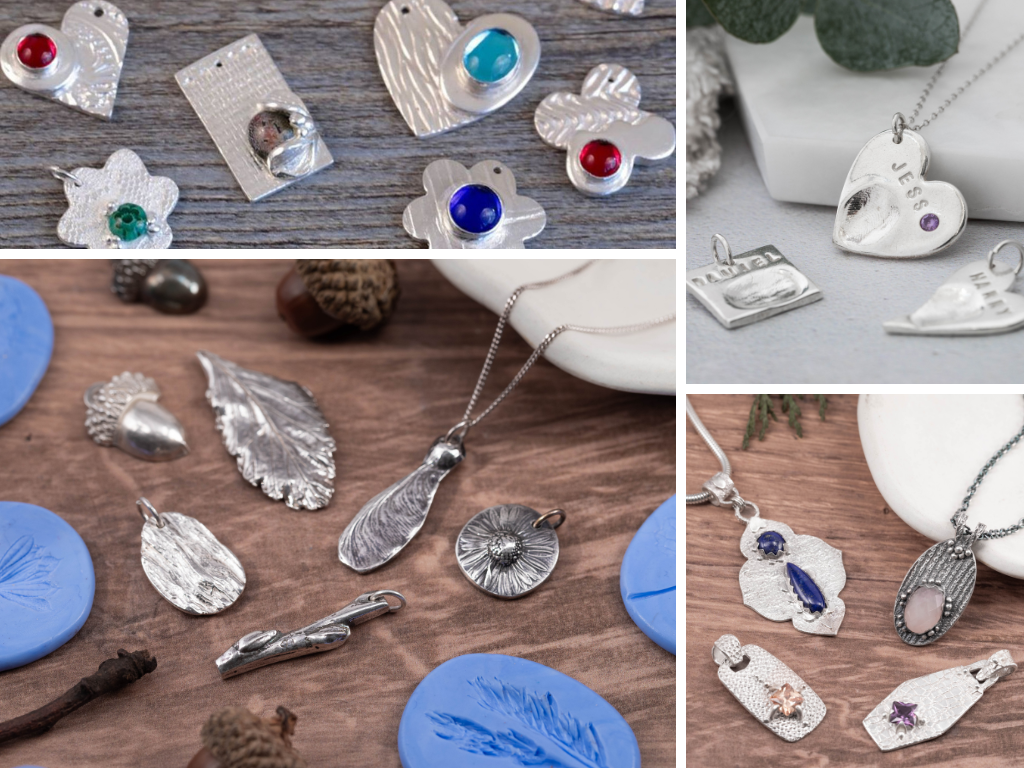
If you’ve enjoyed this session and you’re ready to go deeper with silver metal clay, our Diploma in Silver Metal Clay could be your next step. Designed to support complete beginners through to experienced makers, this one-year programme combines professionally filmed tutorials, mentoring, community and structured projects to help you build confidence and develop advanced skills in silver metal clay. You’ll explore techniques including stone setting, enamelling, masterclasses with specialist tutors and create a body of work to showcase everything you’ve learned. Find out more about the Diploma and see whether this could be the year you take your jewellery making to the next level.
https://www.jewellersacademy.com/diploma-in-silver-metal-clay
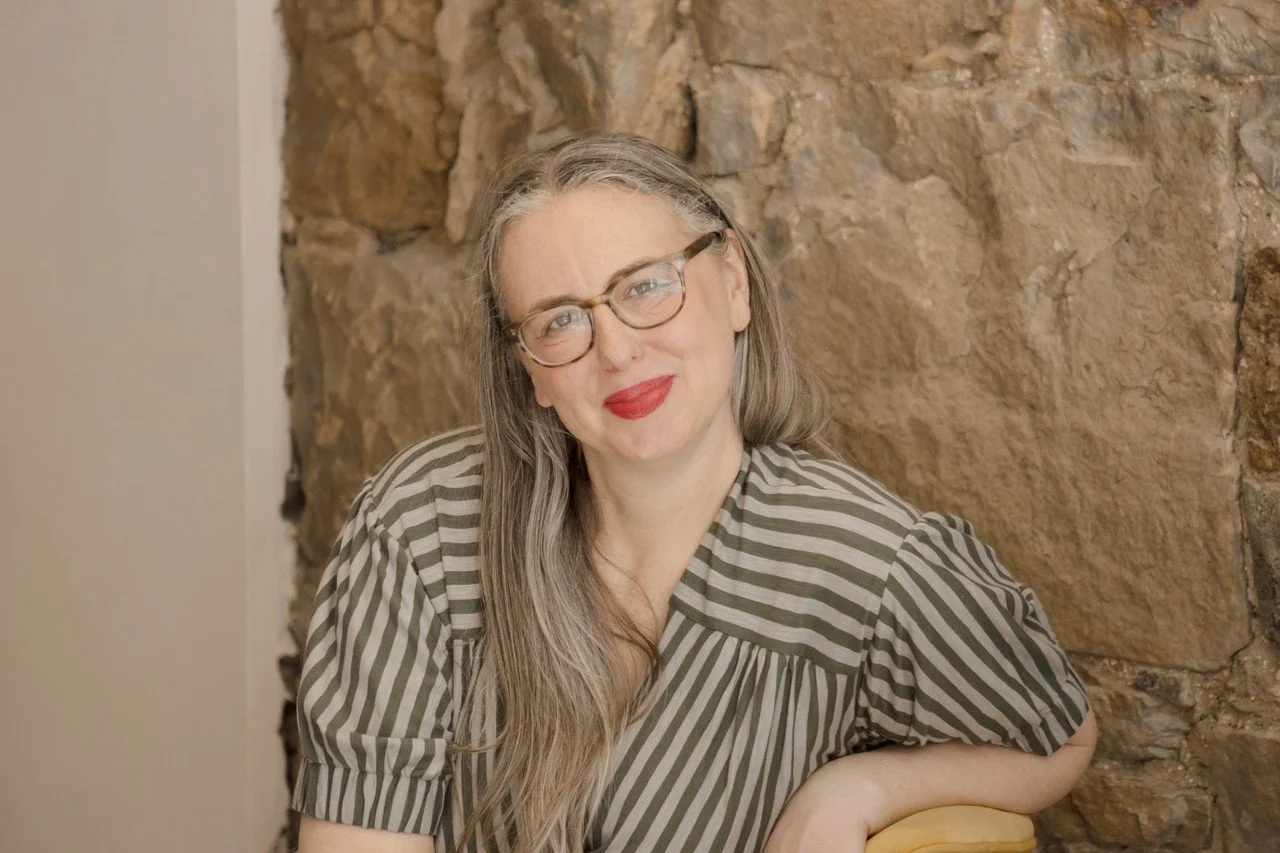
About Anna Campbell
Anna Campbell is a metal clay specialist, jewellery tutor and founder of Jewellery School Scotland in Edinburgh, where she teaches jewellery and silver metal clay workshops to makers of all levels. She is a tutor on the Diploma in Silver Metal Clay at Jewellers Academy and has created and filmed many of the Academy’s popular standalone silver metal clay classes.
As one of the hosts of the Jewellers Academy Podcast, Anna interviews jewellers, makers and industry experts to inspire and support the global jewellery community.
Anna is also the founder of Good Girl Rebellion and author of the international bestselling book Good Girl Rebellion: Build the Business, Break the Rules, Be Limitless, helping women build businesses with more confidence, visibility and freedom.