Running a Jewellery Business with a Neurodivergent Brain: What Actually Works with Aileen Carson (Podcast episode)
In this episode of the Jewellers Academy Podcast, host Anna Campbell is joined by coach, trainer and neurodiversity specialist Aileen Carson for an honest and practical conversation about neurodiversity, creativity and self-employment.

Listen now on:
Together, they explore what neurodiversity really means, the different ways it can show up, and why a diagnosis isn’t always necessary to better understand how your brain works. Aileen shares insights from over 30 years of experience supporting people through career change, workplace challenges and sustainable work-life development, with a particular focus on strengths rather than deficits.
This episode looks at the unique strengths many neurodivergent people bring to creative work – including creativity, problem solving, pattern recognition and hyperfocus – and how these can be powerful assets in a jewellery business. Anna and Aileen also discuss the very real challenges of self-employment, such as managing time, energy, organisation and overwhelm, and share practical strategies for working in a way that supports your wellbeing.
You’ll hear thoughtful reflections on boundaries, burnout prevention, seasonal business pressures, self-care, and the importance of designing a business (or hobby) that truly works for you – whether jewellery making is your livelihood or something you simply love to do.
A valuable and reassuring listen for jewellers, creatives and anyone curious about neurodiversity, work, and doing things in a way that feels sustainable and aligned.
Here are the main tips and key points from this episode:
What neurodiversity means
Neurodiversity refers to the natural variation in how human brains work. Differences in thinking and processing are not deficits, but normal and valuable variations.
You don’t need a diagnosis to understand yourself
While diagnoses can be helpful for some, many people benefit simply from learning how their brain works and what supports them best.Common signs of neurodivergence
Feeling “different,” thinking in unique ways, spotting patterns others miss, deep focus on interests, or processing the world differently.Strengths of neurodivergent thinkers
Creativity, innovation, problem-solving, pattern recognition, attention to detail, and the ability to hyperfocus.Why creative work often attracts neurodivergent people
Jewellery making and other creative practices naturally align with strengths like focus, craftsmanship, creativity and visual thinking.Self-employment can amplify challenges
Wearing many hats, managing time, organisation, energy and focus can be harder when running a business alone.Work with your energy, not against it
Identify when you think best and schedule demanding tasks for high-energy times; use lower-energy periods for lighter work.Use systems that work for you
There is no one-size-fits-all approach to organisation. Visual tools, paper diaries, whiteboards, digital tools or assistive tech can all help.Plan for seasonal busy periods
Use forward planning to avoid overwhelm during peak times (such as Christmas or wedding seasons) and allow quieter periods for rest and recovery.Hire support where possible
When you can, outsource tasks you dislike or struggle with so you can focus on your strengths.Set boundaries with yourself and customers
Clear expectations around turnaround times, communication and availability protect your wellbeing and improve customer experience.Prevent burnout through self-care
Take breaks, move your body, drink water, eat properly, sleep well and pay attention to early signs of overwhelm.Hyperfocus needs balance
Deep focus can be a gift, but regular breaks and movement are essential to avoid physical strain and exhaustion.Rest is productive
Creativity and clarity often come from stepping away, not pushing harder.You don’t have to monetise everything you love
Jewellery making (or any creative practice) can remain a hobby if that’s what feels right.Focus on strengths, not perceived weaknesses
Harness what you naturally do well and design your work or business around it.
about aileen
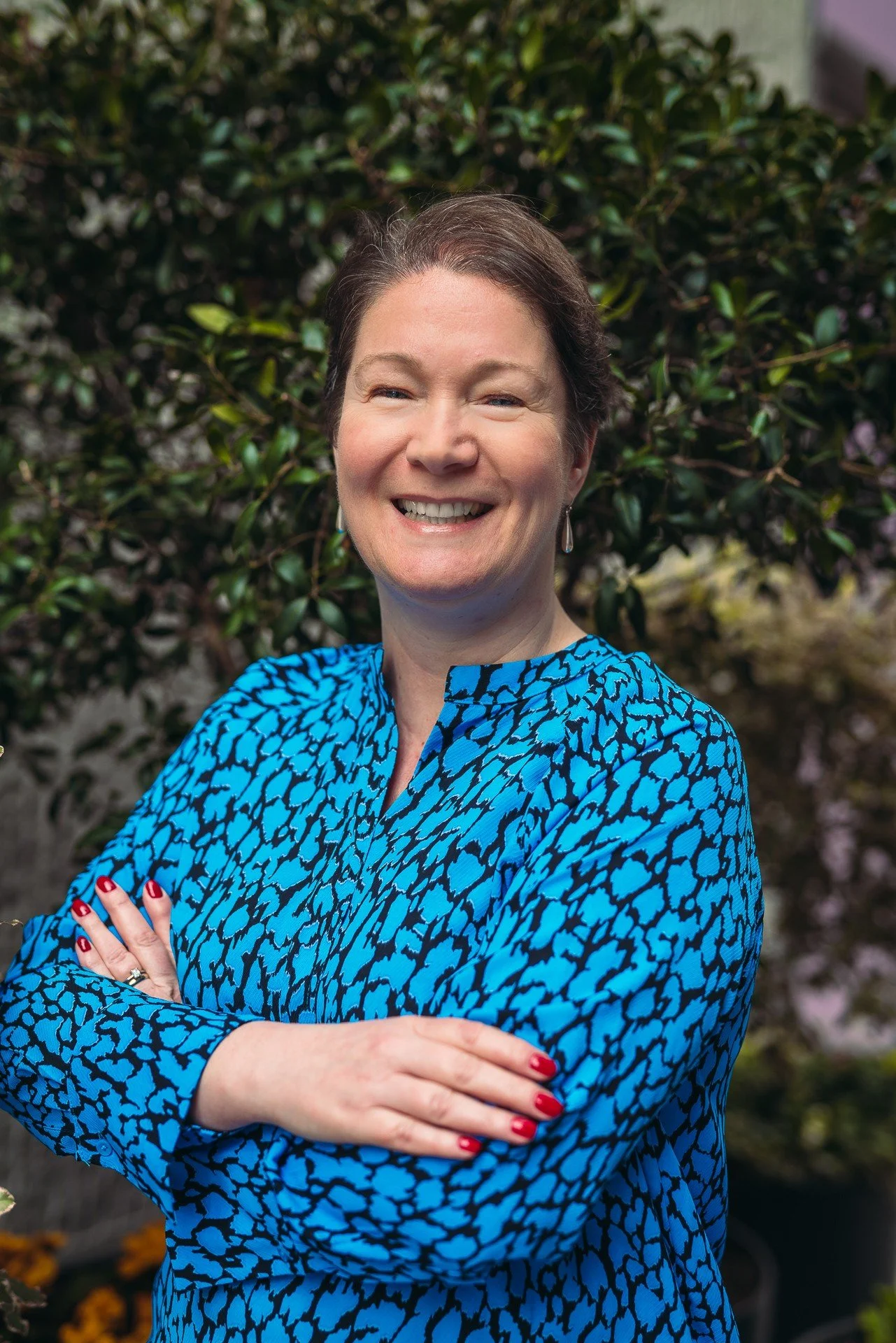
Aileen Carson runs a neurodiversity coaching and training business. She works with neurodivergent people, helping them harness their strengths and find strategies to navigate any challenges they're facing in the workplace or in their business. This often involves support with executive function challenges, managing stress and avoiding burnout. She helps people identify what enables them to work at their best and use this knowledge to find working patterns that work with their brain, rather than against it. She also runs neurodiversity training sessions for employers to help them become more inclusive and she speaks about neurodiversity at conferences and events.
https://www.linkedin.com/in/aileencarson/
https://www.instagram.com/aileen_carson_coaching