
A Jeweller’s Guide to Micro Setting
Micro setting is one of the most beautiful and detail-focused areas of jewellery making. From diamond-set eternity rings to delicate halos and fine pavé surfaces, these techniques allow jewellers to create pieces filled with light, sparkle and precision.
While micro setting can feel intimidating at first, it is also an incredibly rewarding skill to learn. With patience, practice and the right tools, jewellers can develop techniques that dramatically elevate the look and finish of their work.
In this guide, we’ll explore what micro setting is, the different types of micro settings commonly used in jewellery, the tools involved, and what jewellers should know before getting started.
What Is Micro Setting?
Micro setting is a way of setting small faceted stones, usually 2mm and under.
The word “micro” refers to the very small distances between the stones, allowing for minimal visible metal and maximum sparkle. The aim is often to create the illusion of a continuous surface of gemstones, with the setting itself becoming almost invisible.
Micro setting techniques are commonly used in:
Fine jewellery
Engagement rings
Eternity rings
Wedding bands
Luxury bespoke jewellery
High-end stone-set surfaces
These settings are most often used with faceted stones such as diamonds, sapphires, rubies and cubic zirconia (CZs).
Why Jewellers Love Micro Setting
Micro setting allows jewellers to create refined, highly detailed work that feels luxurious and light-filled.
Because the stones are so close together, the overall effect can look incredibly delicate while still producing maximum brilliance and sparkle.
Micro setting techniques are especially popular in:
Diamond eternity bands
Halo engagement rings
Pavé wedding bands
Fine gold jewellery
Statement cocktail rings
For jewellers, learning micro setting can also open up new creative and commercial opportunities, allowing you to offer more advanced stone setting work and bespoke commissions.
Common Types of Micro Setting
Castle Setting
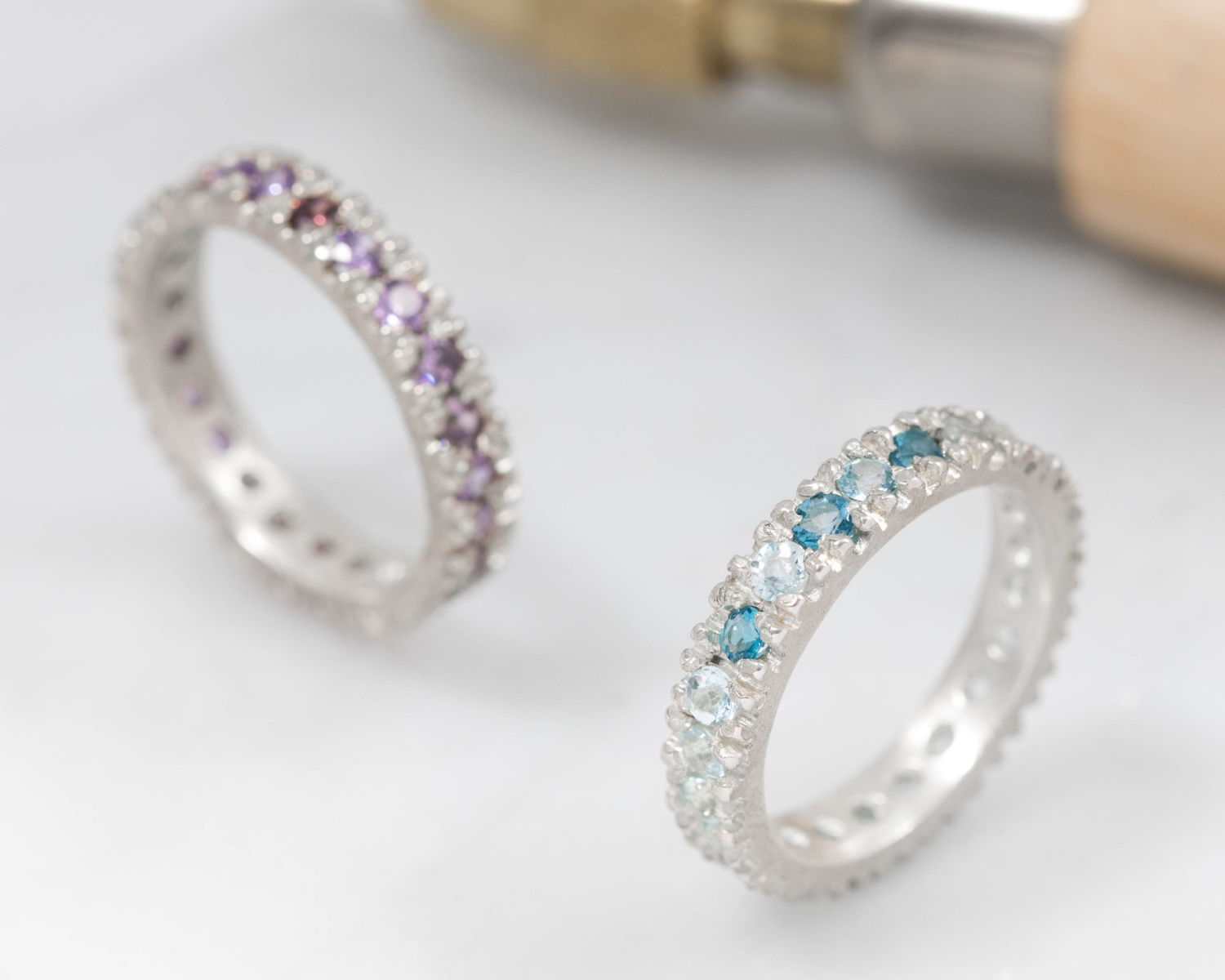
Perfect for creating eternity bands, castle setting is used to set stones into a band that is only slightly wider than the stones themselves.
Sections of metal are carefully carved away, leaving small beads or claws that hold each stone in place. From the side, the structure resembles castle turrets, which is where the name comes from.
Castle settings:
Allow lots of light into the stones
Create elegant side profiles
Are commonly used in eternity rings
Require careful spacing and symmetry
This technique is often one of the first advanced micro settings jewellers learn.
Pavé Setting
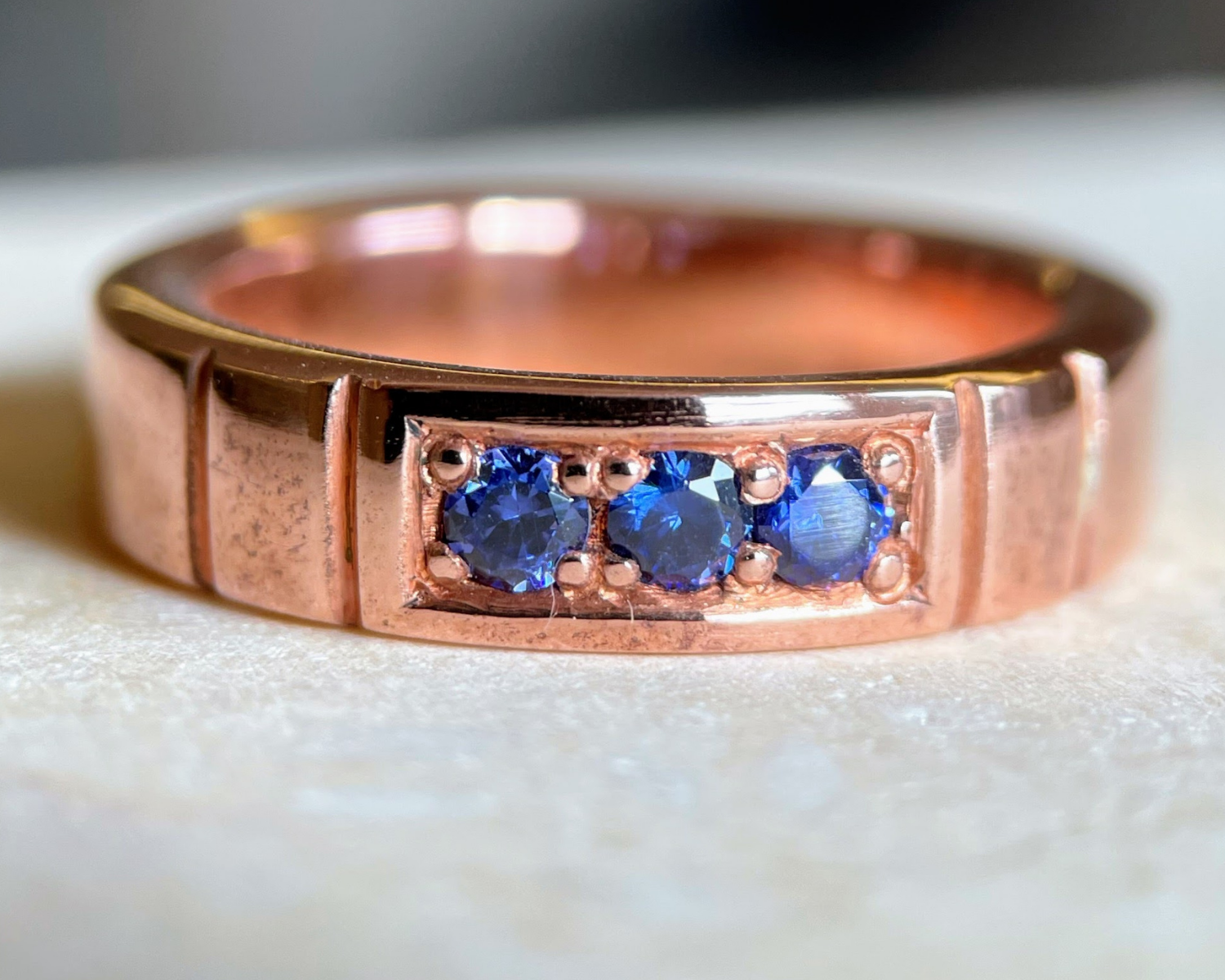
Pavé setting is one of the most recognisable micro setting techniques in fine jewellery.
The word pavé comes from the French word for “paved,” as the stones appear to pave the surface of the jewellery.
Very small stones are set closely together with tiny beads of metal holding them in place. When done well, very little metal is visible and the surface appears almost completely covered in gemstones.
Pavé setting is commonly used for:
Engagement ring shoulders
Halo settings
Fine diamond jewellery
Luxury wedding bands
Statement jewellery surfaces
Cluster pavé settings create an especially high-sparkle effect with dense stone coverage.
Grain Setting
Grain setting is a versatile setting technique where the jeweller raises tiny grains of metal using a graver to hold stones in place.
Depending on the design, stones may be secured with:
Two grains
Four grains
Decorative grain patterns
Grain setting is popular because it combines security with decorative detail and can be adapted into many different jewellery styles.
It is also an excellent introduction to using gravers and learning how metal moves during setting.
Halo Setting
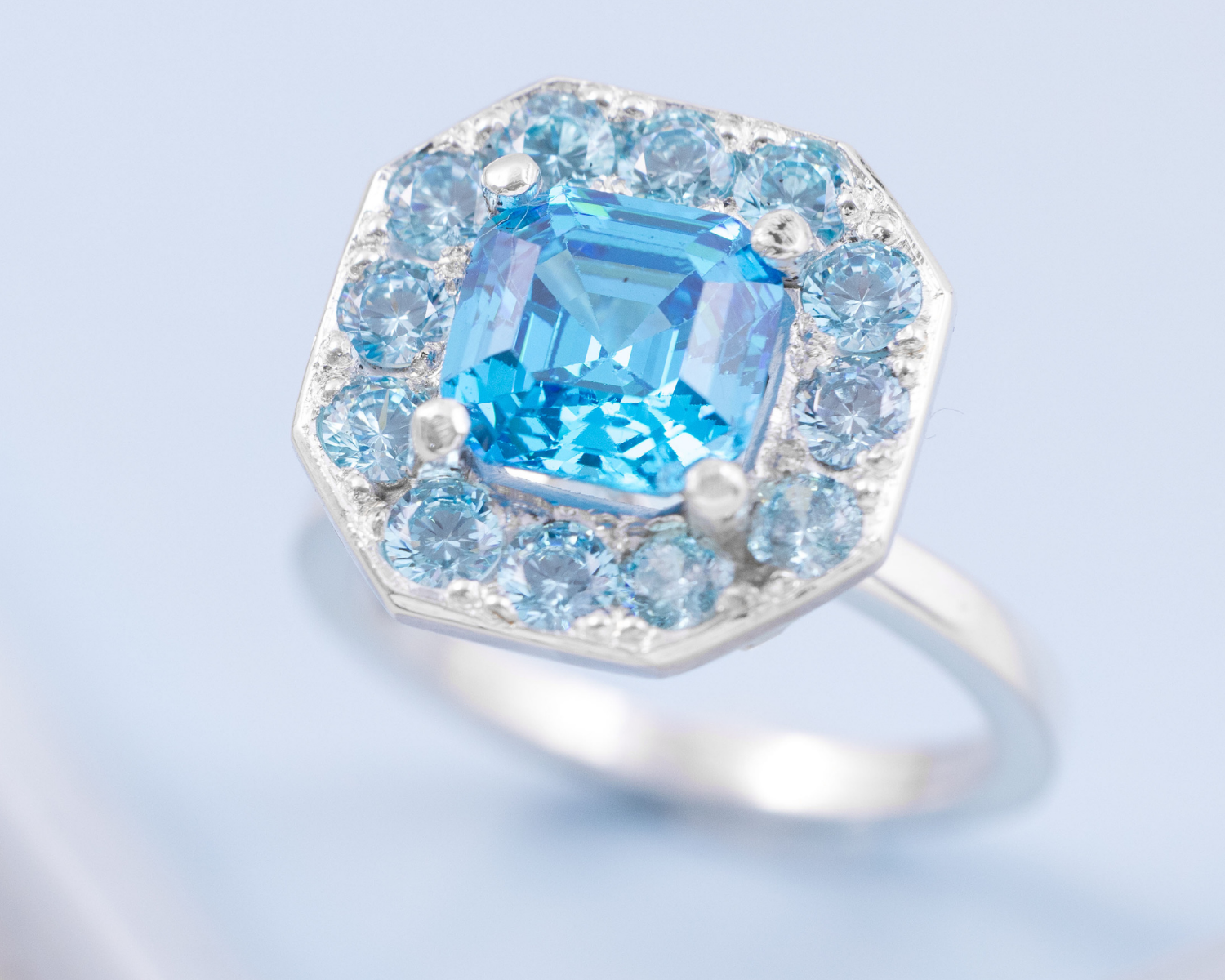
Halo settings are especially popular in engagement rings and cocktail rings.
A halo setting features:
A large central gemstone
A surrounding “halo” of smaller stones
Usually a claw-set centre stone
Often pavé-set surrounding stones
Halo settings increase sparkle and create the illusion of a larger centre stone.
Micro setting techniques are essential for creating delicate, even halos that sit beautifully around the central gem.
Channel Setting
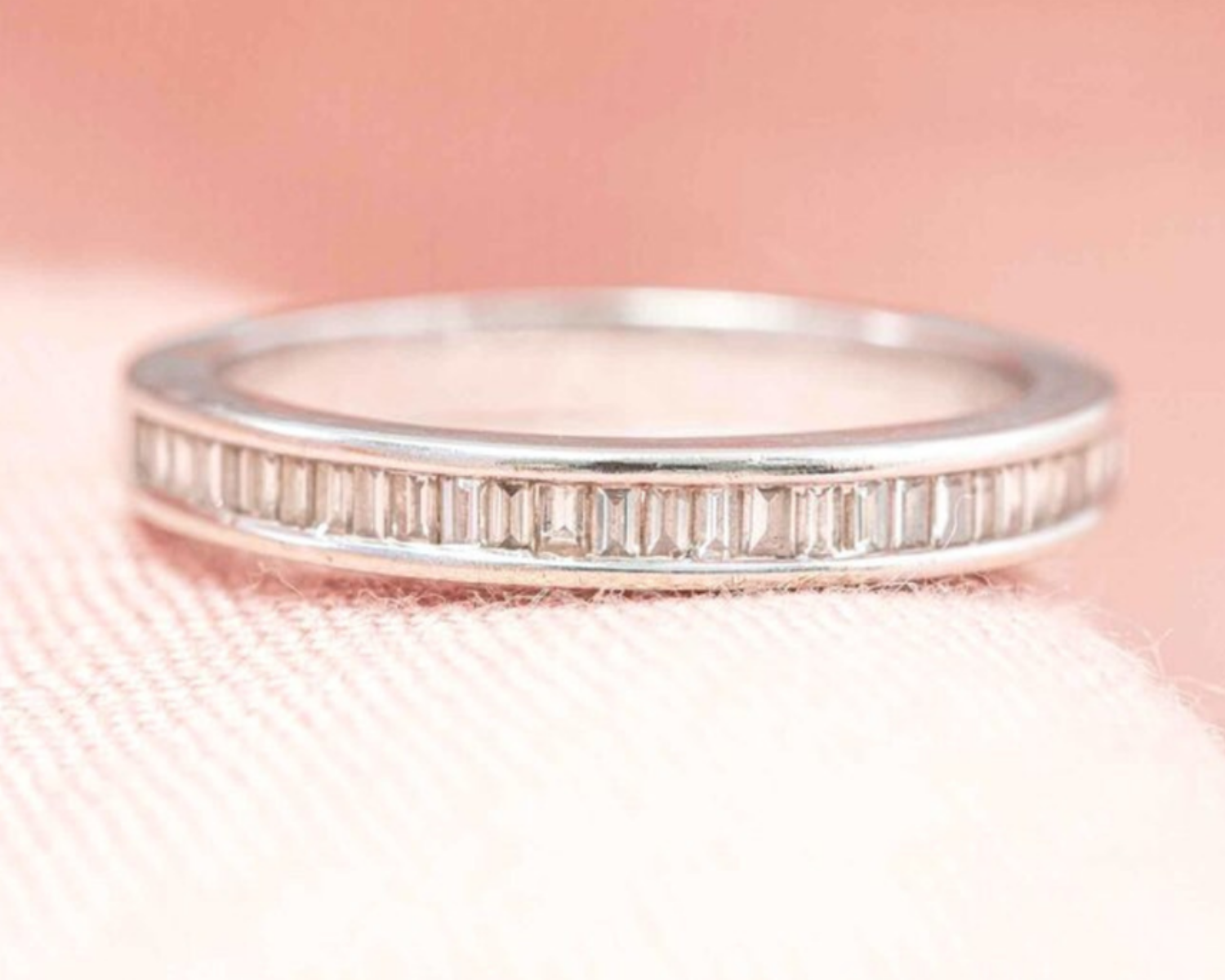
Channel setting is an advanced stone setting technique where stones sit side-by-side inside a metal channel.
The stones are secured between two walls of metal without visible claws or beads.
Channel settings:
Create clean, modern lines
Protect stone edges well
Are commonly used in wedding and eternity bands
Require extremely accurate stone sizing and spacing
Very small channel-set stones can be especially challenging because there is very little room for error.
Fishtail Setting
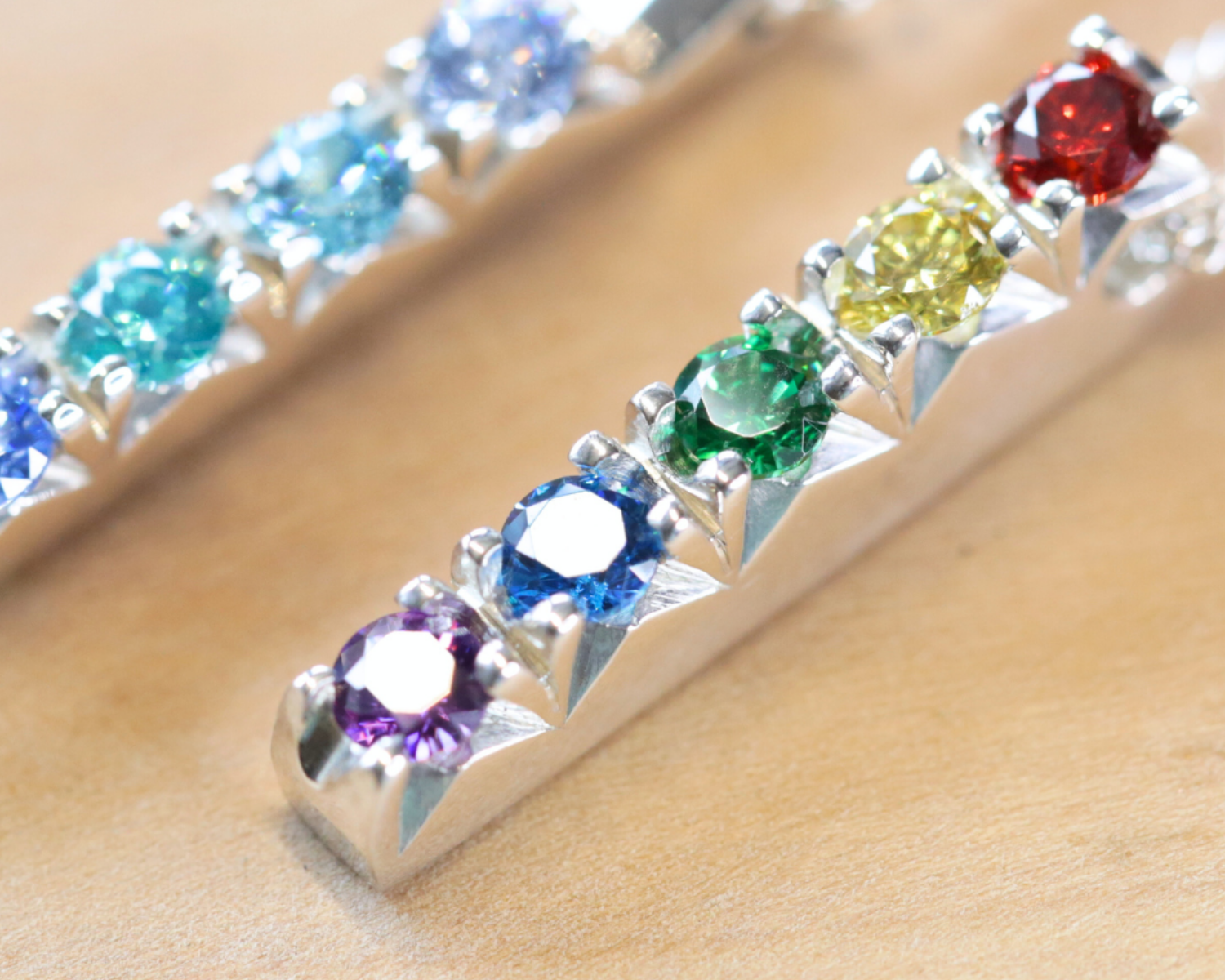
Also known as French pavé setting, fishtail setting combines elements of castle setting and pavé setting.
The side profile features elegant V-shaped cuts that resemble fishtails, giving the setting its name.
This setting style:
Allows a large amount of light into the stones
Creates exceptional sparkle
Produces beautiful decorative side details
Is often seen in vintage-inspired jewellery
Fishtail setting is highly regarded for its refined appearance and intricate craftsmanship.
Tools Used for Micro Setting
Micro setting requires precision, but you do not need an enormous workshop to begin learning.
Common tools include:
Gravers
Beading tools
Burrs
Dividers
Optivisors or magnification
Ball vices
Micromotors
Stone setting clamps
Microscopes (for advanced work)
Many jewellers begin practising with:
Copper sheets
CZ stones
Hand gravers
Simple magnification
As skills progress, some jewellers invest in microscopes and air gravers for more advanced work.
Is Micro Setting Difficult?
Micro setting is detailed work, but it is absolutely learnable.
One of the biggest mindset shifts for jewellers is accepting that micro setting takes repetition and practice. Even professional setters continue refining their skills throughout their careers.
The key skills involved are:
Precision
Patience
Burr control
Measuring and marking out
Understanding how metal moves
Developing hand control
Starting slowly and practising consistently is far more important than having expensive tools.
Tips for Beginners
If you are new to micro setting:
Start with copper rather than precious metals
Practise with CZ stones
Use magnification and good lighting
Focus on consistency before speed
Learn basic gravers before advanced tools
Expect mistakes as part of learning
Many jewellers are surprised by how satisfying and meditative micro setting becomes once they gain confidence.
Learning Micro Setting
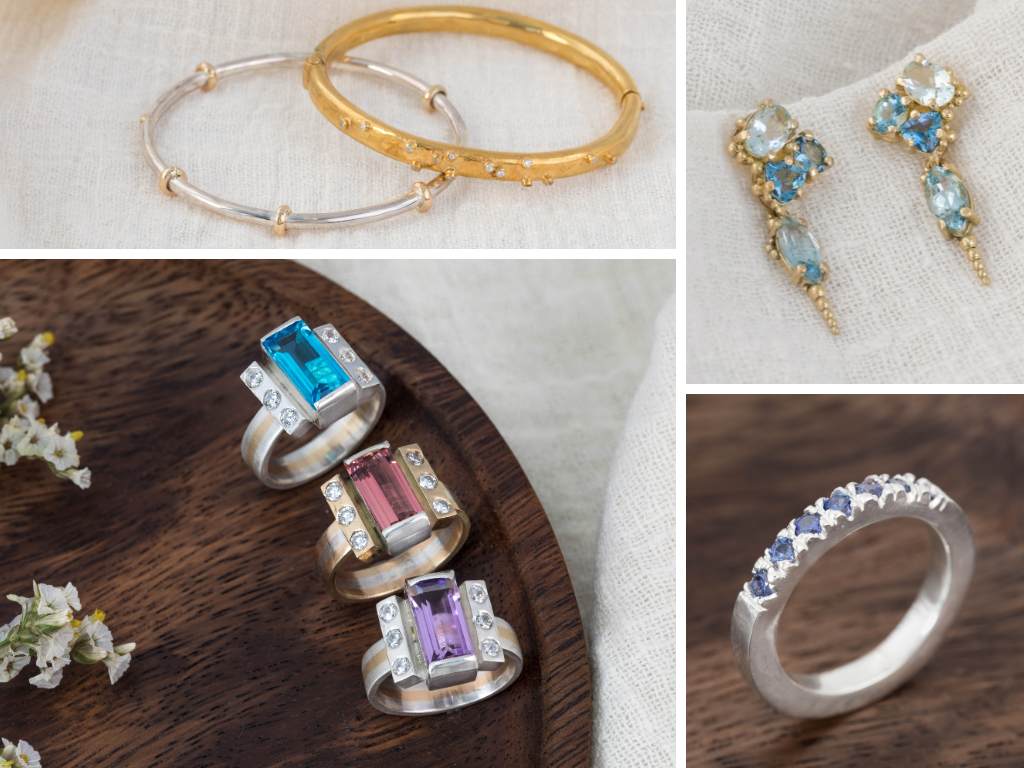
At Jewellers Academy, micro setting techniques are explored within the Advanced Jewellery Diploma and specialist stone setting masterclasses, helping jewellers build confidence step by step.