
With Anna Campbell and Kathryn Ho
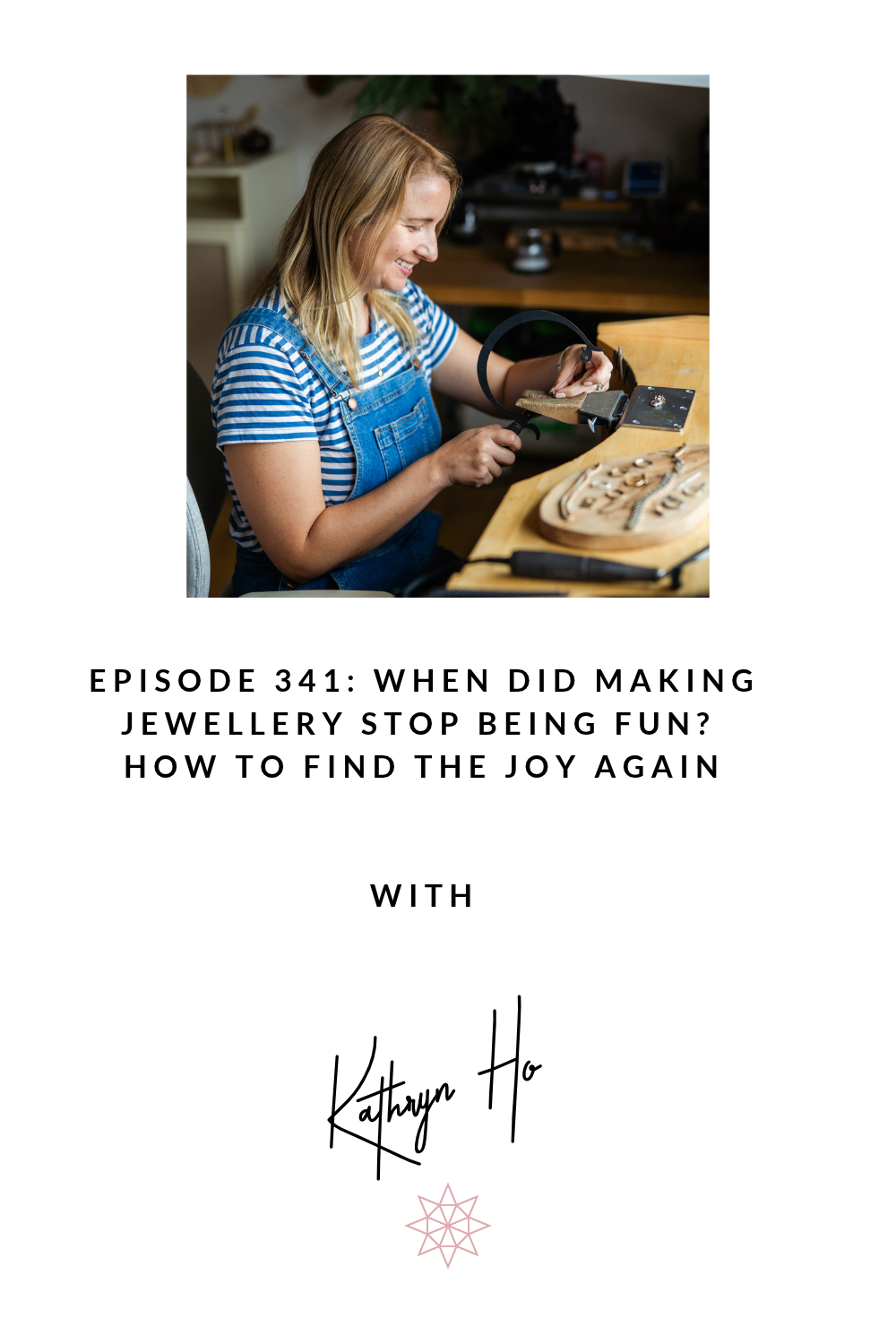
When did making jewellery stop being fun? If you've become so focused on improving your skills, finishing pieces or making jewellery to sell that you've lost some of the enjoyment, you're not alone. In this episode, host Anna Campbell chats with creative coach Kathryn Ho about why we put off creative activities we love, how pressure can get in the way of making and what we can do to rediscover the pleasure of experimenting, playing and creating without worrying about the finished result.
LISTEN NOW
In this episode of the Jewellers Academy podcast, Anna Campbell and creative coach Kathryn Ho explore the pressures we put on ourselves as makers, why we sometimes avoid the creative work we love and how to find more enjoyment in the process.
It's a thoughtful, reassuring conversation with practical ideas you can experiment with in your own creative life.
Want to listen on the go? Find the podcast here:
When we start making jewellery we’re often so excited to practice and play with the techniques we’ve learnt. But sometimes that enthusiasm changes into something else and it starts to feel harder to get back to making. It feels weird doesn’t it? Because it’s still something we want to do but it becomes harder to actually do it.
Maybe you started a jewellery business and suddenly making wasn’t just for yourself. There were orders to make, collections to finish and customers to think about when designing pieces. Or maybe you're still making jewellery as a hobby, but you've become so focused on improving your skills and making something beautiful that you've forgotten how to enjoy the process.
You might even find yourself putting off going into your jewellery studio, despite knowing that making jewellery is something you love.
If any of this sounds familiar it’s not just you. This week's Jewellers Academy podcast was made for you.
Anna Campbell is joined by creative coach Kathryn Ho to explore why creativity can start to feel like hard work, what happens when we put too much pressure on ourselves and how we can bring more fun, play and enjoyment back into our jewellery making.
Why does making jewellery sometimes stop being fun?
When we first discover jewellery making, there's often a lovely sense of possibility. We don't necessarily know what we're doing, but we're curious to find out. We experiment, make mistakes, discover new techniques and gradually begin to develop our skills.
As we become more experienced, our relationship with making can change.
We might start thinking about whether a design is good enough to sell, whether we're developing a recognisable jewellery style or whether we're making enough progress with our skills. If we're running a business, there are all the practical demands of making a living from our work too.
Kathryn explains that we naturally pay attention to the feedback we receive. When we make something that sells well, gets a positive response or attracts attention on social media, we remember that experience. Over time, those responses can start influencing what we choose to make and how we measure our success.
There's nothing wrong with wanting to improve or build a successful jewellery business. But, if we're always thinking about the next sale, the next finished piece or the next thing we need to achieve, we can end up losing touch with the things that originally made us excited about creating. And when that happens, we sometimes respond by putting even more pressure on ourselves.
Why can't I just get into the jewellery studio?
One of the most interesting parts of Anna and Kathryn's conversation is their discussion about creative procrastination.
Maybe you've had a morning set aside for making jewellery, but somehow you find yourself doing everything except making. You tidy your tools, check your emails, scroll through Instagram or decide that another job needs doing first.
Then comes the frustration. You wanted this time to create, so why aren't you doing it?
Kathryn has experienced something similar in her own creative journey. She studied illustration and printmaking at university but found the experience surprisingly difficult. Having been a student who was good at following rules and achieving grades, she struggled with the freedom of art school, where she was encouraged to experiment while still being assessed on her work.
She began questioning her creative abilities and eventually stopped making art altogether. Years later, after working in a digital agency, she realised how much she missed that creative part of herself. She gradually started painting again and rediscovered the enjoyment she'd lost.
What Kathryn came to understand was that picking up a paintbrush had become associated with much more than the physical act of painting. There were memories, expectations, fears and questions about her identity as a creative person wrapped up in that apparently small action.
The same can happen with jewellery making. Going into the studio might mean facing a design you've been struggling with, working on something that needs to sell or worrying that your finished piece won't match the idea in your head. Looking at procrastination in this way can help us approach it with a little more understanding. Instead of immediately assuming we need more discipline, we can get curious about what is making the experience feel difficult.
Could putting more pressure on yourself make things worse?
When we feel stuck creatively, it's tempting to think the solution must be to work harder. We tell ourselves that we need to be more disciplined, stick to a schedule or stop wasting time.
And sometimes a little structure is what we need. Deadlines can be helpful, particularly when we're running a jewellery business or studying a course and need to keep making progress.
But Kathryn suggests that there's a difference between structure that helps us and pressure that makes us feel trapped.
During the podcast, she shares a lovely analogy from her experience of mountain biking. When you're cycling over rough ground, gripping the handlebars too tightly can make it harder to respond to the bumps and obstacles. You need enough control to steer, but you also need some flexibility.
She suggests that creativity can work in a similar way. If we're holding on too tightly to how something should turn out, we can become so focused on getting it right that we lose some of our ability to experiment and respond to what happens along the way.
Kathryn encourages us to think about pressure as something we can adjust. Rather than deciding that we either need complete discipline or no structure at all, we can ask how we might make something feel just five or ten per cent easier.
For a jeweller, that might mean allowing yourself to work on a design without finishing it, setting aside a little time for experiments or choosing something enjoyable to make before returning to a more demanding project. Small adjustments can really change how we experience our creative work.
How to bring more play back into jewellery making
One of Kathryn's suggestions is to create opportunities where there doesn't need to be a finished result. This can feel difficult when you're used to making jewellery for customers, assessments or a particular collection. We're often so focused on the final piece that we forget how valuable experimenting can be.
Think about the way children create. They might spend an afternoon drawing, painting or making things without worrying about whether the result will be useful or whether someone else will think it's good.
As adults, it's easy to lose some of that freedom. If you've been struggling to enjoy jewellery making, perhaps you could give yourself permission to make something that doesn't have to become a finished piece.
You could spend some time sketching jewellery designs with no intention of making them, experiment with textures on scrap metal or try combining materials in ways you haven't explored before.
You might decide to revisit a technique you enjoyed learning, even if you have no plans to use it in your next collection.
The important thing is to take away some of the expectations you've attached to the activity.
Kathryn also talks about allowing our initial ideas to be imperfect. At art school, she remembers drawing exercises where students attached charcoal to the end of a long stick. The point wasn't to produce a beautifully accurate drawing. It was to explore movement, loosen up and experience the process differently.
Sometimes making something without worrying whether it's any good is exactly what we need.
Find the creative routine that works for you
Have you ever read about the working routines of successful artists, designers or writers and wondered whether you should be doing things the same way?
Perhaps one person gets up at five in the morning, another works late into the night and someone else does their best creative thinking while walking.
During their conversation, Anna and Kathryn discuss how different those routines can be and why it's important to find what works for you.
Kathryn explains that some people love the atmosphere of a busy café, while others find it distracting. Some people enjoy having several creative projects on the go, while others prefer to focus on one thing at a time.
The same is true of jewellery making.
You might find that you love having a whole day of making, or perhaps shorter sessions suit you better. You may enjoy following a structured project, or find that you get your best ideas when you have the freedom to experiment.
Rather than trying to follow somebody else's ideal creative routine, pay attention to when you feel most curious, comfortable and energised.
Kathryn also talks about the value of stepping away from a problem.
She describes struggling to write something while sitting at her computer, then going to make a cup of tea and looking out of the window. By giving herself some space, she found that ideas began coming much more easily.
It's something many creative people will recognise. Sometimes you have your best idea when you're on a walk, making dinner or doing something completely unrelated to jewellery. Time away from the bench can still be part of your creative process.
What if you have too many design ideas?
Another challenge that jewellers often experience is having far more ideas than they could realistically make.
Perhaps you've just discovered wax carving, but you're also interested in enamelling, stone setting or experimenting with a new jewellery design style.
You want to try everything, but the number of possibilities can leave you feeling scattered or frustrated that you're not making enough progress.
Kathryn has an interesting way of looking at this. She compares creative ideas to the blossoms on a tree. There might be hundreds of blossoms, but only some will eventually become fruit.
We don't necessarily need every idea to turn into something.
Some ideas are worth pursuing, while others might lead us towards something unexpected or help us discover what we enjoy. Kathryn encourages us to recognise our own creative tendencies. Some people enjoy exploring lots of different things, while others love developing a particular specialism. There isn't one correct way to be creative.
Trying a technique and deciding it isn't for you doesn't mean the experience was wasted. You might have discovered something about colour, texture, shape or the way you enjoy working that influences your jewellery designs in the future. And you don't have to turn every interesting idea into another project on your to-do list.
Remember how much you've already achieved
One of Kathryn's recommendations is something we could probably all benefit from doing more often: taking time to recognise what we've already done.
When we're focused on our next project or goal, it's easy to overlook everything we've learnt along the way.
Perhaps you're frustrated that your stone setting isn't quite as good as you'd like it to be, but you've forgotten how nervous you felt the first time you tried soldering.
Or maybe you're so busy trying to develop your next jewellery collection that you've barely looked back at the pieces you've already designed and made.
Kathryn suggests that recognising our progress can help us build trust in our own creative process.
You might find it helpful to look through photographs of the jewellery you've made over the past year, revisit earlier sketchbooks or think about techniques that once felt impossible but have now become familiar.
It's also worth remembering the less obvious things. The people you've met through jewellery making, the workshops you've enjoyed, the designs you've experimented with and the ideas that have taken you somewhere unexpected. All of those experiences are part of your development as a jeweller, even if they haven't resulted in a finished piece you can sell.
One thing to try this week
If you've been feeling disconnected from your jewellery making, you don't need to make a big plan to change everything. Instead, Kathryn encourages us to approach our creativity with curiosity.
Think about what first attracted you to jewellery making. What did you enjoy most? Was it working with your hands, discovering new techniques, experimenting with colours and materials or seeing an idea gradually come to life?
Then consider what might help you experience a little more of that enjoyment now.
Perhaps you need to take some pressure off yourself. Maybe you need to step away from your usual routine, try something different or spend a little time appreciating what you've already created.
You could even give yourself an afternoon to make something purely because you fancy making it.
And if you love trying new things, we've put together 12 free jewellery-making projects and online courses covering everything from silver jewellery to wax carving and metal clay. There are projects for beginners and more experienced makers, so you can choose something that takes your fancy and enjoy having a go.
You might discover a new technique you love, or you might just have a lovely afternoon making jewellery.
Either way, it's time well spent.
About Kathryn Ho
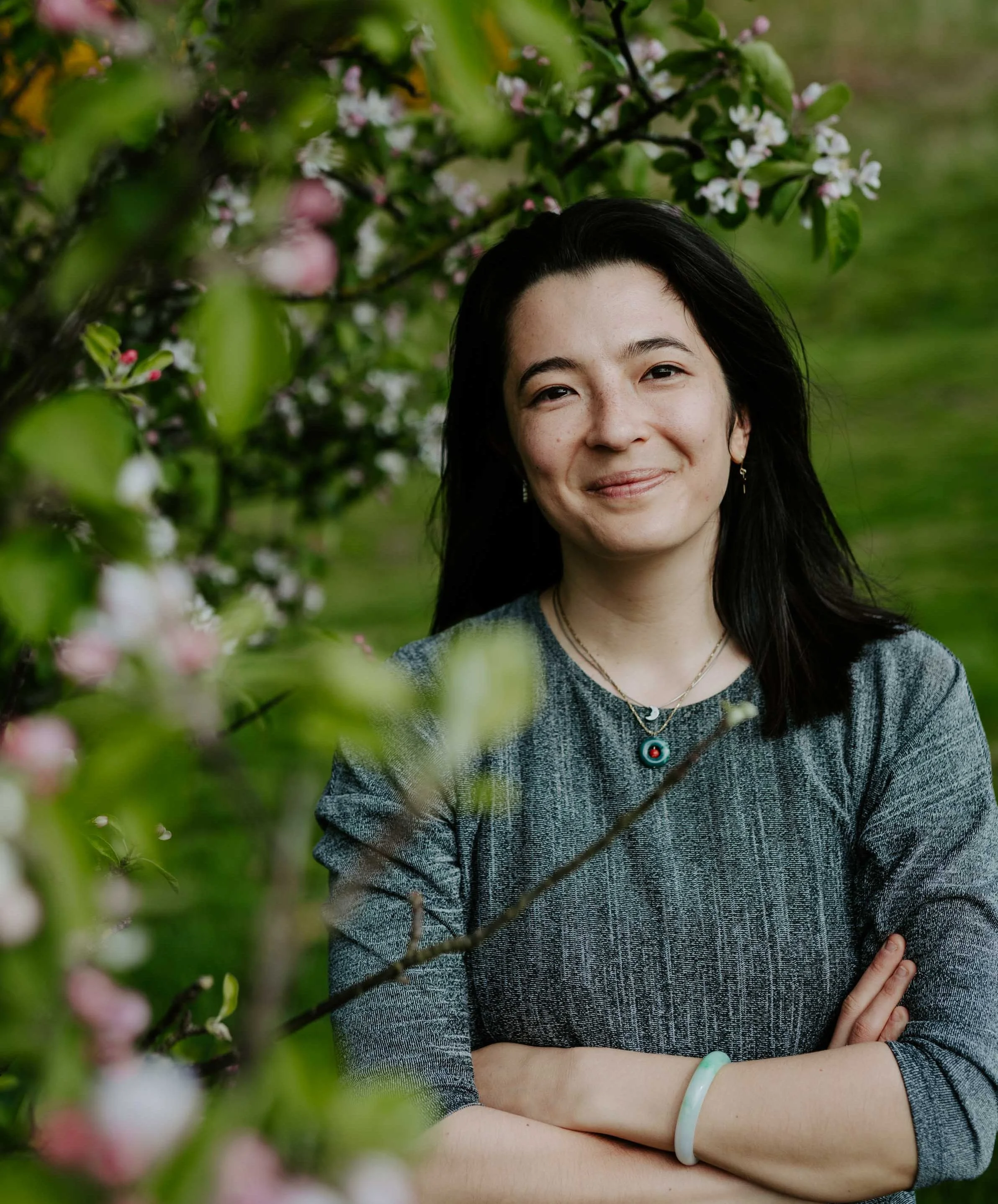
Kathryn Ho is a Glasgow-based creative coach who helps artists, makers and creative business owners navigate self-doubt, overthinking and the pressures they put on themselves. She studied illustration and printmaking at university before spending several years working with creative teams and small businesses in a digital agency. After rediscovering her own love of making art, she trained as a coach and now supports people who want to build a more fulfilling and sustainable creative practice. Her work focuses on helping people understand their patterns, trust themselves and find ways of working that suit them.
Kathryn is the creator of the Creative Mindset Gym: an online membership where creatives learn simple mindset techniques to stop avoiding their ideas and reconnect with what drew them to their work in the first place.
Website: https://www.kathrynho.com/
Creative Mindset Gym: https://www.kathrynho.com/the-creative-mindset-gym
Instagram: https://www.instagram.com/kathryn_ho_/
Linkedin: https://www.linkedin.com/in/kathryn-ho-coach/