
How to Get Started with Enamel Jewellery Making: Everything Beginners Need to Know
Have you ever admired colourful enamel jewellery and wondered how it's made?
Enamelling is one of the most exciting techniques in jewellery making. By fusing finely ground glass onto metal at high temperatures, jewellers can create vibrant colours, beautiful textures and unique surface effects that simply aren't possible with metal alone.
The good news is that although enamelling looks impressive, it's something that beginners can absolutely learn with the right guidance.
If you've been thinking about trying enamel jewellery making, here are some of the questions we're asked most often.

What is enamel jewellery making?
Enamelling is the process of applying powdered glass, known as vitreous enamel, onto metal before firing it in a kiln. As the enamel melts, it bonds permanently with the surface of the metal, creating a smooth, durable finish.
Jewellers use enamel to introduce colour, pattern and texture into pendants, earrings, brooches, rings and many other jewellery designs.
Can beginners learn enamelling?
Absolutely.
Like any jewellery technique, there are new skills to learn, but you don't need previous enamelling experience to get started.
The key is learning the process step by step. Once you understand how to prepare your metal, apply the enamel and fire it correctly, you'll quickly build confidence and begin experimenting with your own designs.
What metals can you enamel?
Copper is often recommended for beginners because it fires beautifully and is relatively inexpensive, making it perfect for practising new techniques.
Silver can also be enamelled and produces stunning results, particularly when combined with transparent enamels that allow the metal's texture to shine through.
Many jewellers begin by learning on copper before introducing enamel into their silver jewellery.
What equipment do you need?
One of the most common questions is whether you need lots of specialist equipment.
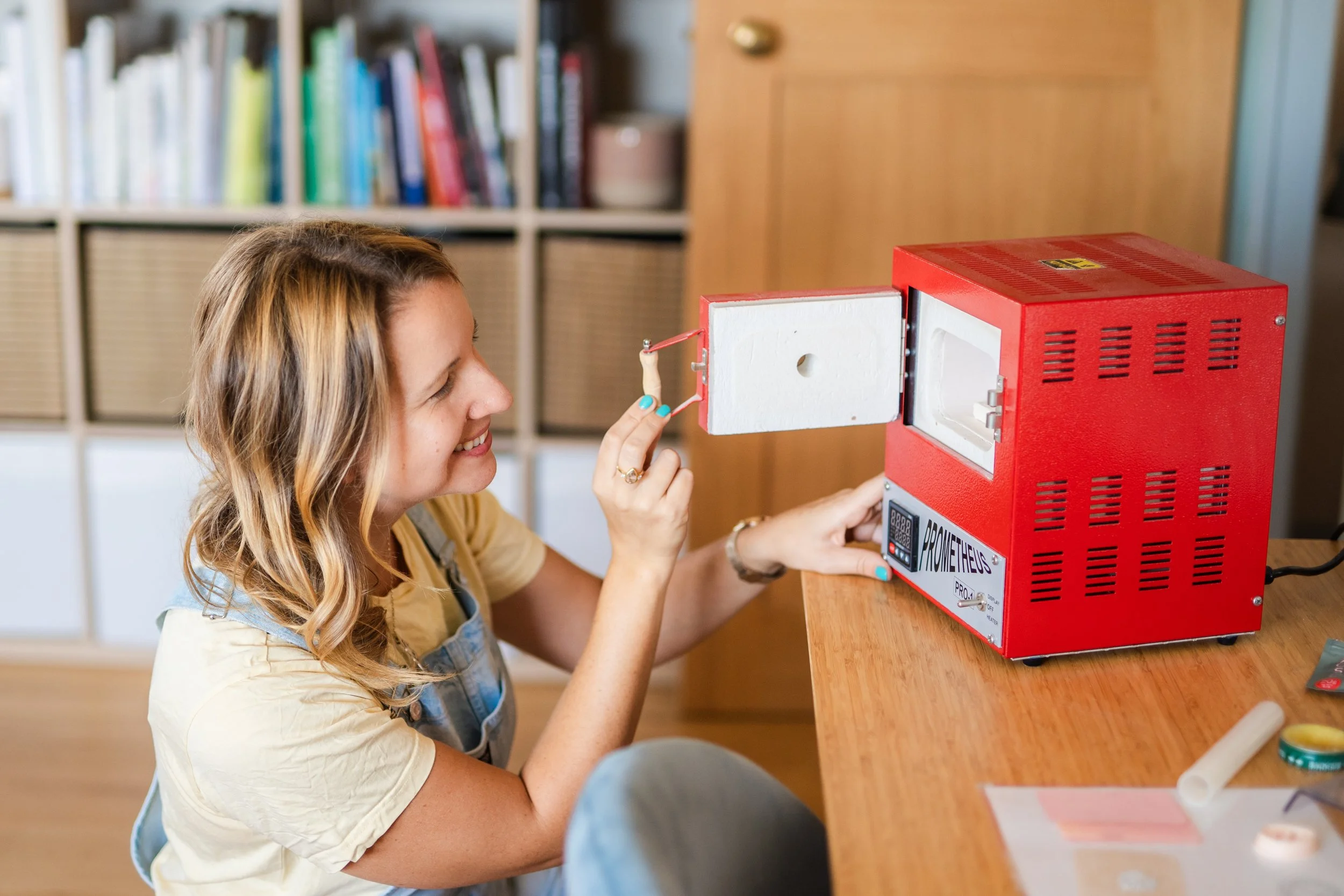
The main piece of equipment is a jewellery or enamelling kiln. You'll also need enamel powders and a selection of basic enamelling tools.
While there is some initial investment, many jewellers build their collection of tools gradually as their confidence grows. We always recommend watching a course through before purchasing equipment so you understand which tools you'll use most often.
Why do jewellers love enamelling?
As jewellers, we're very used to working with metal. Silver, copper and gold are beautiful materials, but they're often just one colour.
Enamelling opens up an entirely new creative world.
You can create rich blues, vibrant greens, warm reds and delicate translucent colours. Transparent enamels reveal textures beneath the surface, while decorative wire and precious metal foils allow you to create jewellery with incredible depth and character.
Every firing is slightly different, making each finished piece beautifully unique.
It's this combination of technical skill and creative experimentation that makes enamelling such an addictive technique to learn.
Is enamelling difficult?
Most jewellers are surprised by how quickly they begin to understand the process.
Like soldering, stone setting or wax carving, enamelling becomes much easier once you understand the sequence and learn why each step matters.
Good tuition removes much of the guesswork and helps you avoid the common mistakes that can make the process feel frustrating.
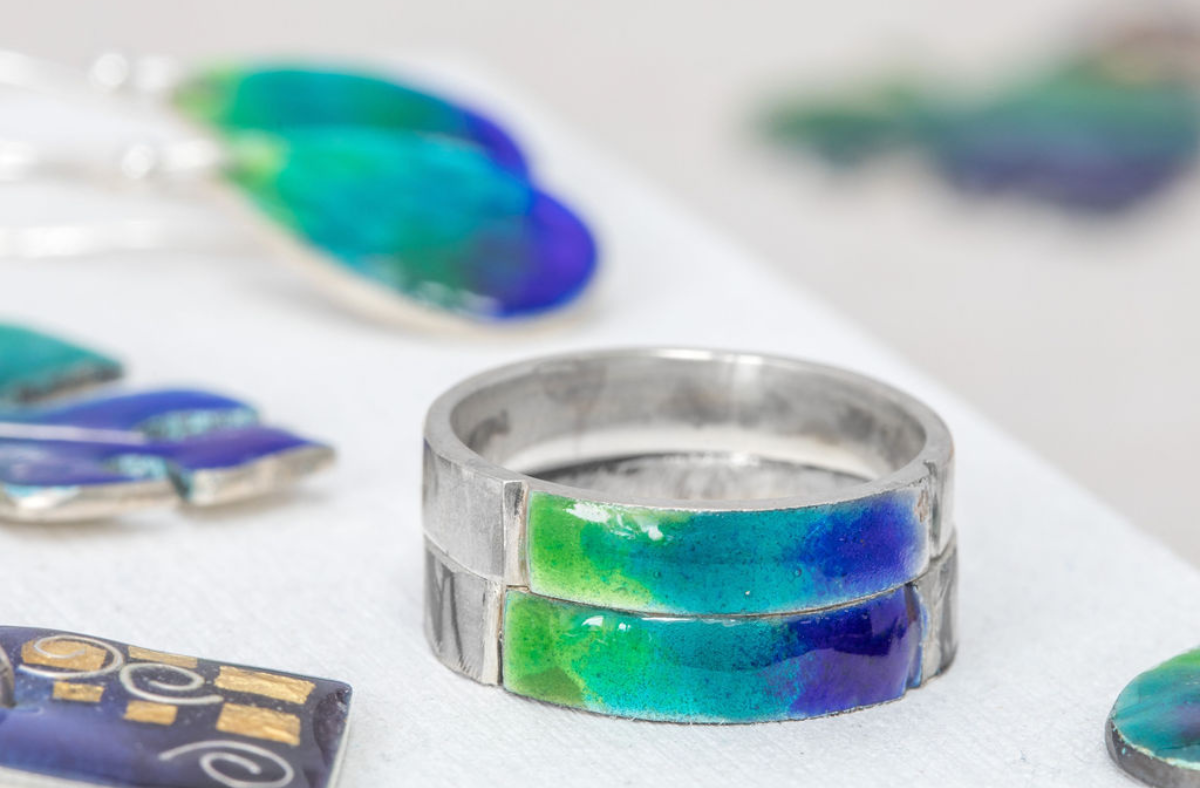
Enamelling a rounded surfact is called Ronde Bosse.
Ready to learn?
If you'd like to explore the world of enamel jewellery making, our Online Enamel Jewellery Making Course brings together both our Beginners and Intermediate Enamelling programmes in one comprehensive course.
You'll learn everything from preparing your metal and applying enamel through to transparent enamels, decorative wire, gold foil and ronde bosse enamelling, all taught by experienced enamel specialist Michelle Leaver.
If you're looking to introduce colour into your existing jewellery or try something completely new, we'd love to help you get started.